
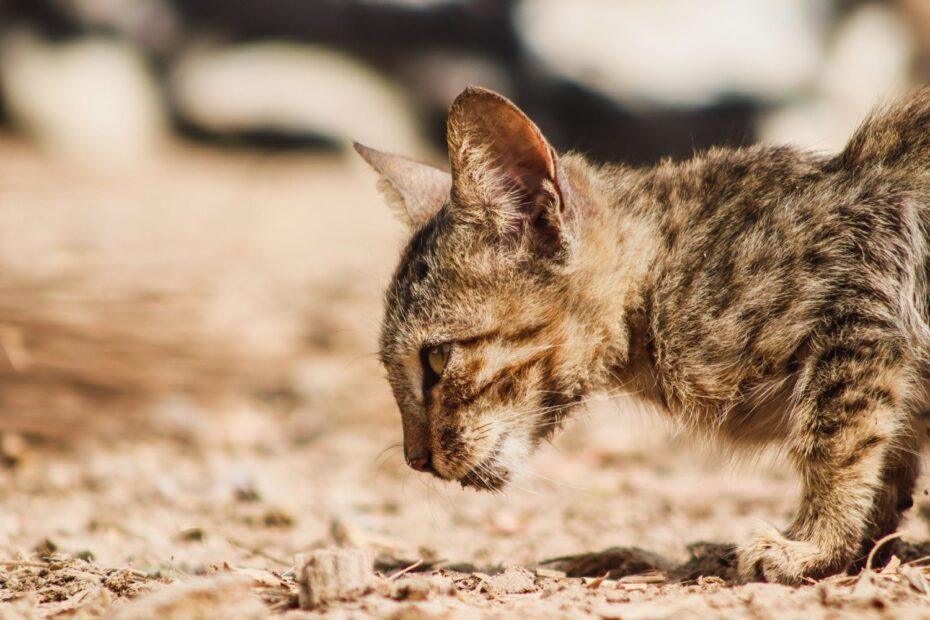
What Is Catnip?
Catnip, scientifically known as Nepeta cataria, is a member of the mint family that has a peculiar and often amusing effect on domestic cats. While it may seem like a magical substance, its influence is rooted in specific chemical compounds. The primary active ingredient responsible for the characteristic feline response is a volatile oil called nepetalactone. This compound is produced by the plant, as noted in scientific literature, to help repel insects, yet it has the opposite effect on many cats, acting as a powerful attractant and stimulant. Understanding that catnip is a natural plant compound helps demystify its allure for our feline companions.
The Science Behind the Frenzy: Nepetalactone
The intriguing behavioral changes observed in cats exposed to catnip are directly linked to nepetalactone. This iridoid analog stereoisomer interacts with a cat's olfactory system, specifically through the nasal mucosa. When a cat sniffs catnip, the nepetalactone molecules bind to receptors in their nose, triggering a sensory response that is transmitted to the brain. This stimulation can activate areas of the brain associated with pleasure and emotion, leading to the euphoric or excited state many cats exhibit. The efficacy and duration of these effects can vary significantly between individual cats, influenced by genetics and possibly even age.
Common Feline Reactions to Catnip
When a cat encounters catnip, the reactions can range from mild interest to outright ecstasy. Common behaviors include:
- Sniffing and Licking: The initial interaction often involves intense sniffing of the plant or dried material. Some cats will then proceed to lick or chew it.
- Rolling and Rubbing: Many cats will roll on their backs, rub their heads and bodies against the catnip, or kick their hind legs. This behavior is thought to be a way of spreading the scent.
- Vocalization: Meowing, purring, or making other vocalizations can accompany the experience.
- Playfulness and Agitation: Some cats become unusually playful, engaging in chasing imaginary prey or batting at toys with renewed vigor. Others might exhibit a temporary state of heightened excitement or even mild agitation.
- Drooling: A small percentage of cats may drool when exposed to catnip.
- Dazed or Relaxed State: Following the initial excitement, some cats may enter a brief period of calm or appear somewhat dazed.
These responses are generally temporary, typically lasting between 5 to 15 minutes, after which the cat becomes temporarily immune to the effects for a period ranging from 30 minutes to a couple of hours.
What to Expect and How to Use Catnip
Introducing catnip to your cat can be a fun way to provide enrichment and observe their natural behaviors. You can offer fresh catnip leaves, dried leaves, or toys infused with the herb. Start with a small amount to gauge your cat's reaction. It's important to note that not all cats respond to catnip; an estimated 10-30% of cats, particularly kittens and older cats, may show little to no reaction. This lack of response is usually genetic and not a cause for concern. When using catnip, ensure it is pure and free from pesticides or other additives, especially if you are using fresh plants from your garden. For most cats, catnip is a safe and enjoyable way to stimulate their senses and encourage playful activity, contributing to their overall well-being and providing a glimpse into their wilder instincts.
Related reading
- Exploring Different Types of Cat Toys and Their Benefits for Feline Enrichment
- Why Do Cats Purr? Exploring the Mysteries Behind This Soothing Sound
- Essential First-Aid Tips for Cat Owners to Handle Minor Emergencies