
Preparing Your Home for Feline Well-being
As devoted cat guardians, ensuring our feline companions' safety and well-being is paramount. While we strive to create secure environments, minor accidents or unexpected health issues can arise. Having a foundational understanding of feline first aid can empower you to respond effectively to small emergencies, potentially preventing them from escalating into more serious problems.
Assembling a Cat-Specific First-Aid Kit
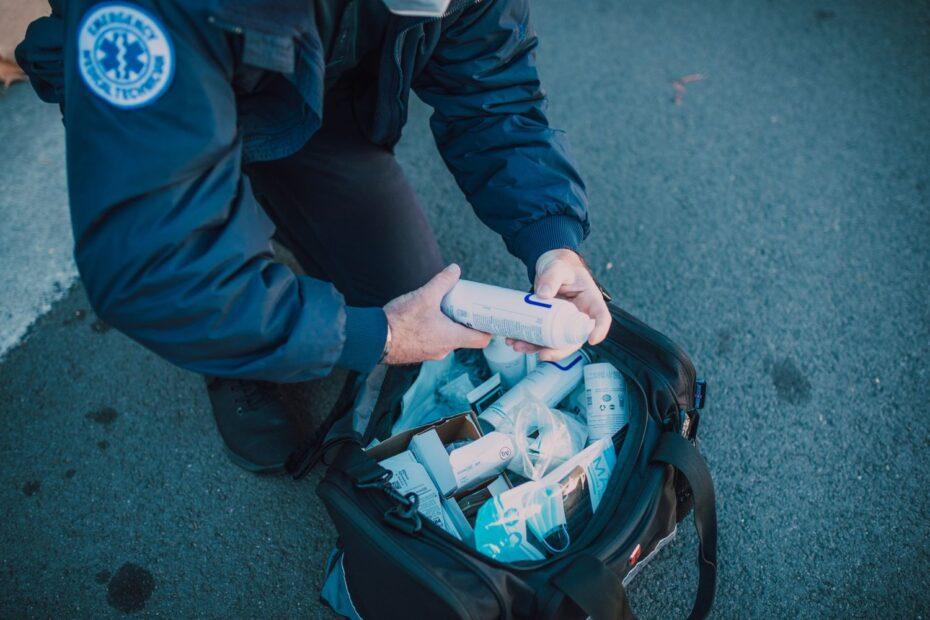
A well-stocked first-aid kit is the cornerstone of preparedness. Unlike human kits, a cat's needs are distinct. Consider including the following items, stored in an easily accessible, secure container:
- Gauze pads and rolls: For cleaning wounds and applying pressure.
- Adhesive tape: Medical tape designed for sensitive skin is best.
- Antiseptic wipes or solution: Such as chlorhexidine or povidone-iodine, diluted as recommended by a veterinarian. Avoid hydrogen peroxide, which can damage tissue.
- Saline solution: For flushing eyes or wounds.
- Tweezers: For removing splinters or debris.
- Blunt-tipped scissors: For cutting bandages or fur around a wound.
- Disposable gloves: To maintain hygiene and protect yourself.
- Petroleum jelly or a water-based lubricant: Can help if a thermometer needs to be inserted rectally (though this should only be done if instructed by a vet).
- Rectal thermometer: Digital thermometers are quick and easy to use.
- A clean towel or blanket: For comfort or to help restrain a distressed cat.
- Your veterinarian's contact information: Including after-hours emergency clinic numbers.
- A muzzle: In cases of pain or injury, a cat may bite defensively. A muzzle can prevent this, but should only be used if you are confident it will not impede breathing.
Regularly check your kit for expired items and replenish as needed. Storing this kit in a cool, dry place ensures its readiness.
Responding to Common Minor Emergencies
Knowing how to react calmly and efficiently can significantly impact the outcome of a minor incident. Here are a few scenarios and initial steps:
Minor Cuts and Abrasions
For small cuts or scrapes, the first step is to gently clean the area. Use a clean cloth or gauze pad moistened with lukewarm water or a saline solution. If there's minor bleeding, apply gentle pressure with a clean gauze pad for a few minutes. For deeper or more persistent bleeding, or if the wound is dirty and you cannot clean it thoroughly, it's time to consult your veterinarian. Avoid using human antibiotic ointments unless specifically directed by your vet, as some can be toxic to cats.
Slight Burns
If your cat has suffered a minor burn (e.g., from touching a warm surface), immediately cool the affected area with cool, but not icy, water for at least 10-15 minutes. Do not apply ice directly, as this can cause further tissue damage. Do not apply butter, oils, or ointments, as these can trap heat and increase the risk of infection. If the burn is significant, covers a large area, or if your cat seems to be in pain or distress, seek immediate veterinary care. Assessing the depth and severity of a burn can be challenging, making professional evaluation crucial.
Minor Poisoning Incidents
Cats are curious, and accidental ingestion of non-toxic or mildly toxic substances can occur. If you suspect your cat has ingested something harmful, try to identify the substance and the amount consumed. Contact your veterinarian or a pet poison control center immediately. Do not induce vomiting unless specifically instructed to do so by a veterinary professional, as this can be dangerous in certain situations. Having a list of common household toxins readily available can aid in quick identification.
Eye Irritations
For mild eye irritation, such as dust or a small foreign object, you can try to flush the eye gently with a sterile saline solution. Use a dropper to apply a few drops to the affected eye. Avoid rubbing the eye. If the eye appears red, swollen, is producing excessive discharge, or if your cat is squinting or holding the eye closed, it is essential to seek veterinary attention promptly, as these can be signs of more serious conditions like corneal ulcers or infections.
Knowing When to Seek Professional Veterinary Care
While these tips address minor issues, it is vital to recognize the limits of home first aid. Any situation involving significant bleeding, deep wounds, difficulty breathing, severe pain, loss of consciousness, seizures, persistent vomiting or diarrhea, broken bones, or suspected internal injuries requires immediate professional veterinary intervention. The definition of an emergency often centers on conditions where life, health, or property is in jeopardy, and prompt aid is essential. When in doubt, always err on the side of caution and contact your veterinarian.
Preventing Future Incidents
Proactive measures are the best form of feline first aid. Regularly cat-proofing your home by securing toxic plants, medications, and cleaning supplies, and ensuring electrical cords are out of reach, can prevent many potential accidents. Understanding common household hazards is key to safeguarding your curious and adventurous cat.
Conclusion
Being prepared with a well-stocked first-aid kit and a clear understanding of how to handle minor feline emergencies provides peace of mind and can be critical in safeguarding your cat's health and comfort.
Related reading