
Introduction to the Enigmatic Purr
The gentle, vibrating rumble of a cat's purr is one of the most distinctive and beloved sounds in the feline world. Often associated with contentment and affection, this unique vocalization is a common yet still somewhat mysterious aspect of cat behavior. While we frequently observe purring when a cat is being petted or resting comfortably, the reasons behind this soothing sound are far more nuanced and extend beyond simple happiness.
Purring: More Than Just Contentment
While a purr is indeed a strong indicator of a cat's pleasure, it is not exclusively tied to positive emotions. Cats may also purr in situations that are not overtly joyful. For instance, a cat experiencing pain, fear, or distress, such as during a veterinary visit or when recovering from an injury, might also emit a purr. This suggests that purring serves a broader communicative or self-regulatory purpose. Understanding this duality is key to interpreting your feline companion's needs more accurately.
The Language of Connection: How Purrs Build Bonds
Purring plays a vital role in feline social dynamics, particularly in the early stages of life. Kittens are born blind and deaf, and the purr of their mother is a crucial auditory cue that helps them locate her for nursing and comfort. This early association likely establishes purring as a signal of safety and well-being. As cats mature, purring continues to facilitate bonding between cats and between cats and humans. It can be a way for a cat to signal peaceful intentions to other animals or to solicit attention and reassurance from their human caregivers, strengthening the human-animal bond.
Self-Soothing and Potential Healing Properties
One of the most fascinating theories surrounding purring is its potential role in self-soothing and even physical healing. The frequency of a cat's purr typically ranges between 25 and 150 Hertz. Research suggests that vibrations within this frequency range can promote bone density and healing, relieve pain, and reduce swelling. When cats are injured or stressed, purring might be an innate mechanism to help them cope with discomfort and promote recovery. This biological advantage could explain why cats sometimes purr when they are injured or ill, using the vibrations to aid their own recuperation.
Interpreting Purrs in Different Contexts
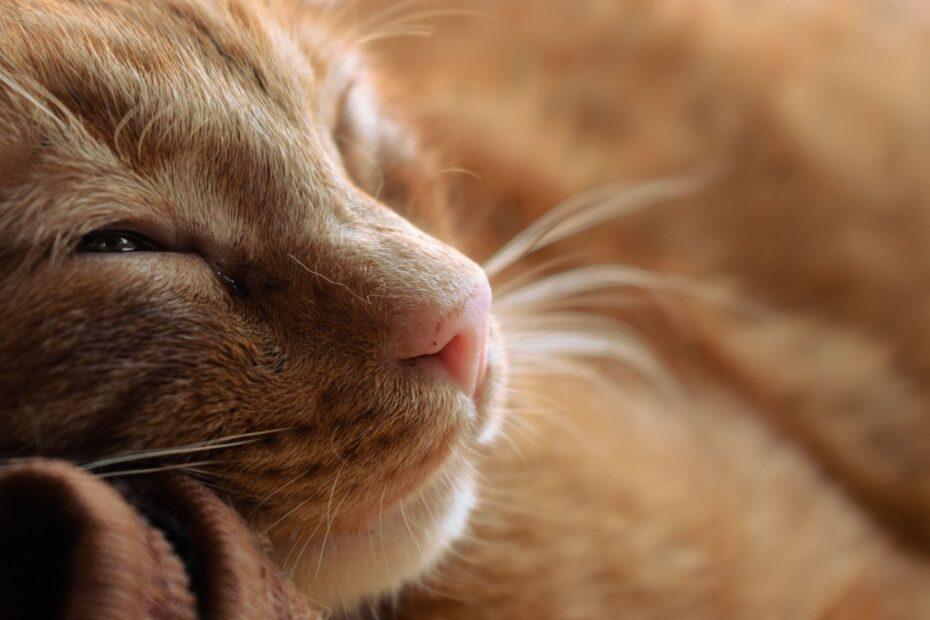
To truly understand why your cat is purring, it is important to consider the accompanying body language and the surrounding circumstances. A purring cat that is relaxed, with soft eyes and a gently swaying tail, is almost certainly expressing contentment. Conversely, a purring cat that is tense, with flattened ears or a tucked tail, might be using the purr as a coping mechanism. Observing these contextual cues allows for a more comprehensive interpretation of your cat's emotional state. It is also worth noting that while purring can be a sign of distress, it is often a sign that the cat is trying to manage that distress.
Conclusion: A Multifaceted Vocalization
Why do cats purr? The answer is multifaceted. It is a complex vocalization that serves as a primary mode of communication, a social bonding tool, an expression of happiness, and potentially a self-healing mechanism. By paying attention to the context and your cat's overall demeanor, you can better decipher the meaning behind this unique and comforting sound, deepening your understanding and connection with your feline companion.
Related reading