
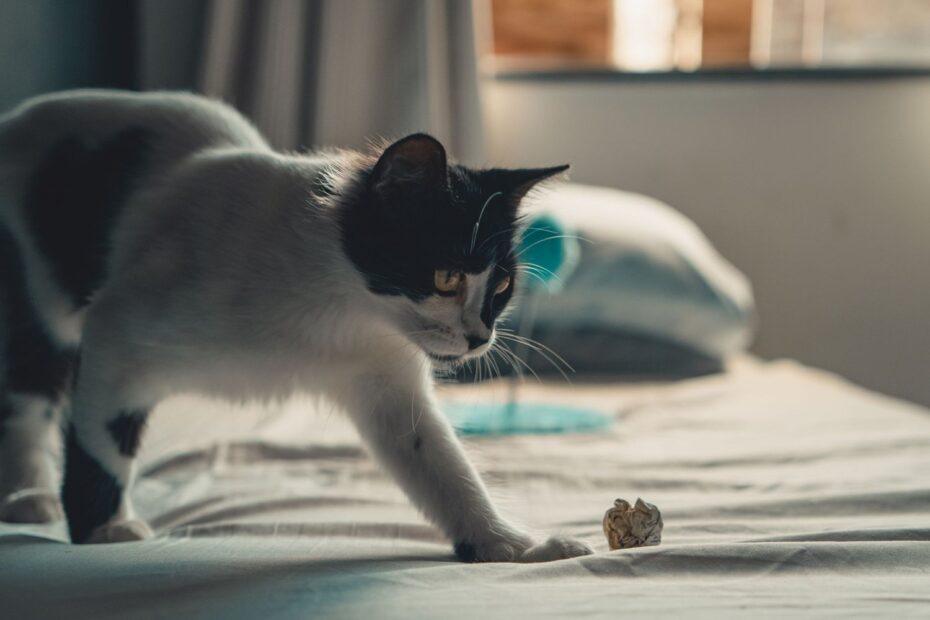
What is Cat Pica?
Cat pica is a behavioral condition characterized by a cat's persistent desire and tendency to eat non-food items. These items can range widely, from household objects like plastic, string, and rubber bands to natural materials such as grass, dirt, or even hair. While it's common for cats to occasionally chew on a blade of grass or bat around a small toy, pica involves the actual ingestion of these items, which can lead to serious health complications.
The term "pica" originates from the Latin word for magpie, a bird known for its indiscriminate eating habits. In felines, this behavior can manifest in various ways. Some cats might obsessively lick or chew at certain textures, while others will outright swallow objects. The specific items ingested often provide clues to the underlying cause, though sometimes the choice of object seems arbitrary. Understanding that this is a complex issue requiring careful observation is the first step for any owner concerned about their cat's well-being.
Potential Causes of Cat Pica
The reasons behind a cat's pica are multifaceted and can stem from medical, behavioral, or environmental factors. One significant category of causes is medical. Nutritional deficiencies, particularly a lack of fiber or certain minerals, can trigger a cat to seek out and consume non-food items in an attempt to supplement their diet. Anemia, thyroid issues, or gastrointestinal diseases can also manifest as pica, as the cat's body may be signaling an underlying problem. For instance, a cat with intestinal parasites might eat dirt or non-food items to try and soothe an upset stomach.
Behavioral and psychological factors play a crucial role as well. Stress, anxiety, or boredom are common culprits. A cat experiencing separation anxiety when its owner leaves might resort to chewing on household items. Similarly, a lack of environmental enrichment, insufficient playtime, or changes in the home environment can lead to a cat developing pica as a coping mechanism or a way to seek attention. Breed predisposition, particularly in Siamese and Burmese cats, has also been noted, suggesting a genetic component in some cases of pica, especially wool-sucking or fabric-chewing behaviors, which can sometimes be linked to early weaning.
Addressing Cat Pica: Practical Steps
When faced with a cat exhibiting pica, a systematic approach is essential. The immediate priority is to ensure the cat's safety by removing access to dangerous objects. This involves securing trash cans, keeping small items like string, rubber bands, and medications out of reach, and being mindful of houseplants that might be toxic or ingestible. A thorough veterinary examination is paramount to rule out any underlying medical conditions. This might include blood tests, fecal analyses, and X-rays to identify potential nutritional imbalances, organ dysfunction, or foreign body obstructions.
If medical causes are ruled out or managed, behavioral modifications become key. For boredom or stress, increasing environmental enrichment is vital. This can involve providing a variety of engaging cat toys, puzzle feeders, climbing structures, and dedicated playtime with the owner. Creating a stimulating environment can redirect a cat's energy and attention away from destructive chewing or eating. Dietary adjustments, such as increasing fiber intake under veterinary guidance, may also help some cats. If the pica is linked to anxiety, consulting with a veterinarian or a certified animal behaviorist for strategies like pheromone diffusers or behavioral modification techniques can be beneficial.
When to Seek Veterinary Intervention
It is critical to consult a veterinarian immediately if you notice your cat ingesting non-food items. The risks associated with pica are significant and can include gastrointestinal blockages requiring surgery, internal injuries from sharp objects, poisoning from toxic substances, and severe dental damage. Vomiting, lethargy, changes in appetite, constipation, or diarrhea are all signs that your cat may have ingested something harmful and is experiencing health issues related to pica. Early detection and intervention by a veterinary professional are crucial for a positive outcome and to prevent potentially life-threatening complications.
A veterinarian can perform a physical examination, discuss the cat's history and observed behaviors, and recommend diagnostic tests. They can differentiate between normal exploratory behaviors and true pica, and identify if the behavior is a symptom of a larger health problem. Without professional guidance, attempting to manage pica solely through home remedies can be ineffective and dangerous, potentially delaying necessary medical treatment.
Conclusion
Cat pica is a complex behavior that warrants attention and investigation. Understanding its potential causes—ranging from medical ailments and nutritional gaps to stress and boredom—is the first step toward effectively managing it. By prioritizing safety, seeking prompt veterinary care to rule out or treat underlying health issues, and implementing environmental enrichment and behavioral strategies, owners can help their feline companions overcome this challenging condition and ensure their continued health and happiness.
Related reading
- The Importance of Socialization for Kittens and Adult Cats
- Why Do Cats Purr? Exploring the Mysteries Behind This Soothing Sound