
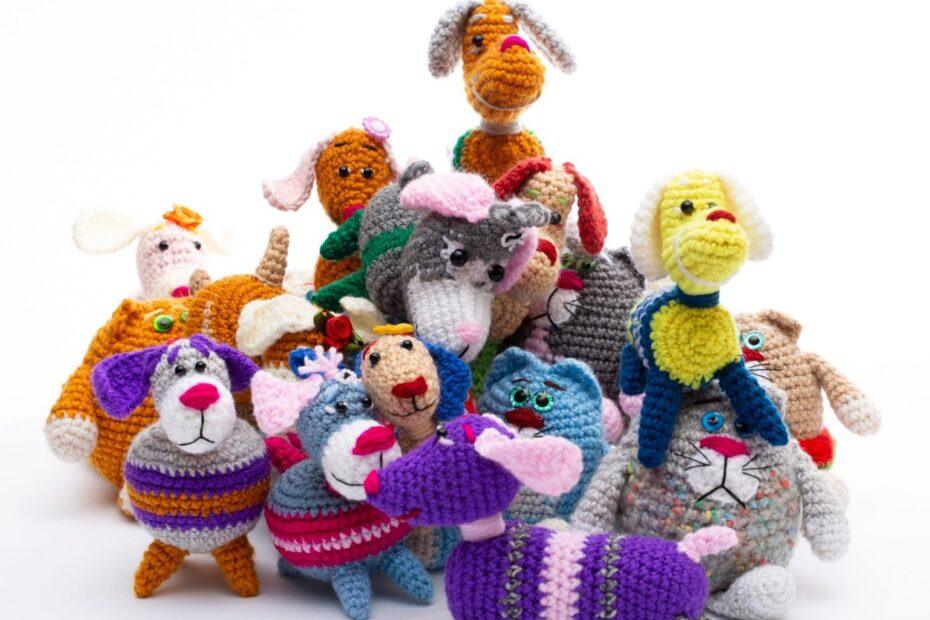
Understanding the Importance of Cat Toys for Feline Well-being
Providing an enriching environment is fundamental for a cat's physical and psychological health. Just like humans, cats benefit immensely from activities that stimulate their minds and bodies. Integral to this enrichment are cat toys, which serve multiple purposes beyond mere amusement. They tap into a cat's natural instincts, such as hunting, stalking, and chasing, helping to satisfy these innate drives in a safe and appropriate manner. Regular play can prevent boredom, reduce stress, and curb destructive behaviors that might arise from a lack of stimulation. By engaging with a variety of toys, cats can maintain a healthy weight, improve their agility, and strengthen the bond with their human companions.
Categories of Cat Toys and Their Specific Benefits
The world of cat toys is vast, offering options for every feline personality and play style. Understanding the different categories can help owners select the most beneficial items for their pets.
Interactive Toys
Interactive toys require active participation from the owner and are excellent for fostering a strong bond between cat and human. These often mimic prey movements, such as feather wands or laser pointers. Feather wands, when dangled and moved erratically, encourage stalking, pouncing, and batting, simulating a hunt. Laser pointers, while engaging, should be used cautiously; it's important to allow the cat to 'catch' something tangible at the end of the session (like a treat or a physical toy) to prevent frustration. The act of chasing and capturing, even if simulated, provides significant physical exercise and mental engagement.
Solo Play Toys
Solo play toys are designed for cats to entertain themselves when their owners are unavailable. These include items like crinkle balls, small plush mice, and spring toys. Small, lightweight balls are ideal for batting and chasing, allowing cats to practice their predatory skills independently. Spring toys, often made of plastic or wire, provide unpredictable movement that cats find irresistible, encouraging batting and chasing. Plush mice or other small stuffed animals allow cats to 'hunt,' 'kill,' and carry their prey, satisfying a core instinct. These toys are crucial for combating boredom and providing mental stimulation during periods of solitude.
Puzzle and Food Dispensing Toys
Puzzle toys and food dispensers add a layer of mental challenge to mealtime or snack times. These toys require cats to manipulate them, often by batting, rolling, or nudging, to release treats or kibble. Examples include treat balls, interactive feeders, and snuffle mats. Using these toys can slow down fast eaters, preventing digestive issues, and provide significant cognitive stimulation. The problem-solving aspect keeps a cat's mind sharp and can be highly rewarding as they figure out how to access their reward. This type of play is particularly beneficial for intelligent cats who might otherwise become bored or restless.
Scratching Posts and Climbing Structures
While not always thought of as traditional 'toys,' scratching posts and climbing structures are vital for feline enrichment. Scratching is a natural behavior that allows cats to stretch their muscles, mark their territory, and maintain their claws. Providing appropriate surfaces like sisal posts or cardboard scratchers redirects this instinct away from furniture. Climbing structures, such as cat trees or wall-mounted shelves, offer vertical space for cats to survey their surroundings, hide, and exercise. These elements cater to a cat's need for security, activity, and territorial expression, contributing significantly to their overall comfort and well-being.
Choosing the Right Cat Toys
Selecting the appropriate cat toys depends on your cat's age, energy level, personality, and preferences. Kittens often benefit from toys that encourage active play and exploration, while senior cats might enjoy puzzle feeders or softer toys that don't require as much physical exertion. Observe your cat's play style: do they prefer chasing, batting, pouncing, or puzzle-solving? Rotate toys regularly to keep them novel and engaging. Always prioritize safety by inspecting toys for small parts that could be ingested and discarding any that become damaged.
Related reading
- Understanding Catnip: How It Affects Your Feline and What to Expect
- The Benefits of Professional Cat Grooming Services and When to Use Them