
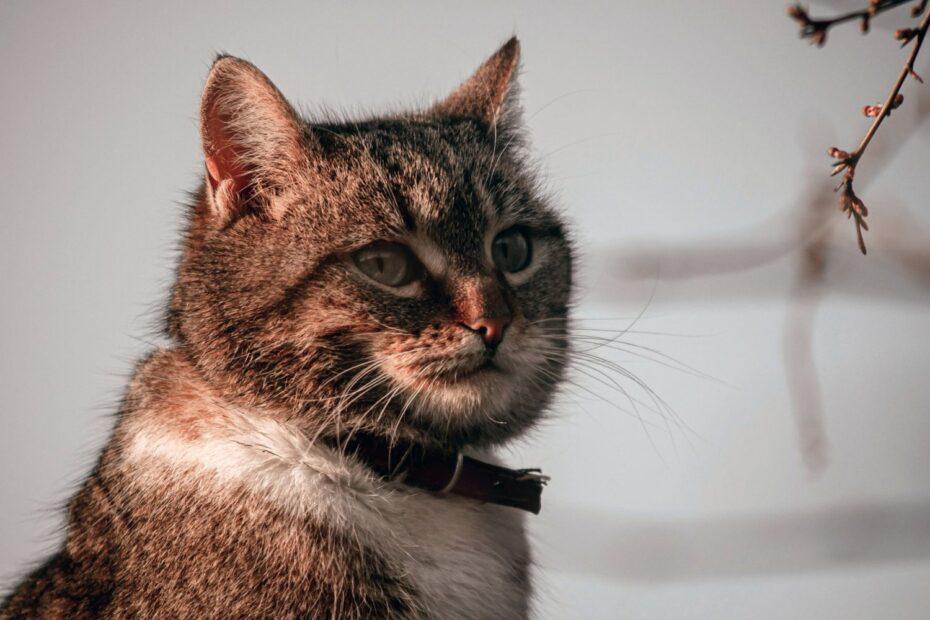
Understanding the Cat Gaze: More Than Just a Look
The seemingly simple act of a cat staring at its human can be a complex form of communication, often leaving owners curious and sometimes a little unnerved. Cats, unlike humans, do not typically stare intently without purpose. Their gaze is a window into their world, conveying a range of emotions, needs, and observations. Understanding these silent signals can significantly deepen the bond between you and your feline companion, transforming bewilderment into informed interaction.
Common Reasons for Your Cat's Stare
Affection and Trust
One of the most heartwarming reasons a cat stares at you is simply because they feel safe, loved, and content in your presence. This stare is often accompanied by a slow blink, a behavior widely recognized in feline communication as a sign of trust and relaxation. When your cat makes eye contact and slowly closes and opens its eyes, it's akin to a feline kiss. This signifies that they perceive you as a non-threatening presence and feel comfortable enough to lower their guard. This gentle, unhurried gaze is a powerful indicator of a secure attachment.
Seeking Attention or Resources
Cats are adept at learning what behaviors yield results, and staring is a primary method for gaining their human's attention. If your cat's food bowl is empty, their water dish needs refilling, or they simply desire some interaction – like petting or playtime – they might fixate their gaze on you. This stare can be accompanied by other subtle cues, such as a soft meow or a gentle nudge, but the direct eye contact is often the initial signal that they want something. It's their way of saying, "Hey, I'm here, and I need something from you." Understanding this can help you anticipate their needs before they become more insistent.
Curiosity and Observation
Cats are naturally curious creatures with highly developed senses. They spend a significant portion of their day observing their environment, and you are a central part of that environment. Your cat might stare simply because they are curious about what you are doing. Perhaps you're preparing food, using a new gadget, or engaging in an activity they find unusual. Their gaze is a way for them to gather information, assess the situation, and understand your actions. This observational staring is a testament to their intelligent and inquisitive nature.
Assessing a Threat or Feeling Insecure
While less common in a secure home environment, a cat might stare intensely if they perceive something as a potential threat. This could be a new person or animal in the house, an unfamiliar noise, or even a perceived shift in your own demeanor. In such cases, the stare is often accompanied by other signs of anxiety, such as flattened ears, a tense body, or dilated pupils. If you notice these accompanying behaviors, it's important to assess the situation and help your cat feel safe. Providing a quiet retreat and avoiding sudden movements can help alleviate their stress.
Health Concerns
In some instances, a prolonged, unblinking stare, especially if accompanied by lethargy or other unusual behaviors, could indicate a health issue. While cats are masters at hiding discomfort, a persistent, vacant stare might signal that something is not right. If you observe a sudden change in your cat's staring habits, or if it's paired with symptoms like loss of appetite, changes in litter box habits, or unusual vocalizations, it is advisable to consult with a veterinarian. Early detection of health problems is crucial for effective treatment and your cat's well-being.
Interpreting the Gaze: Connecting with Your Cat
Deciphering your cat's stare involves looking at the whole picture – their body language, the context of the situation, and any accompanying vocalizations. A relaxed posture with a slow blink suggests affection and trust. An alert posture with direct, unblinking eye contact might mean curiosity or a request. When the stare is paired with signs of distress, it warrants closer attention to ensure their safety and comfort. By learning to read these subtle cues, you can foster a deeper understanding and a more fulfilling relationship with your feline companion.
Related reading