
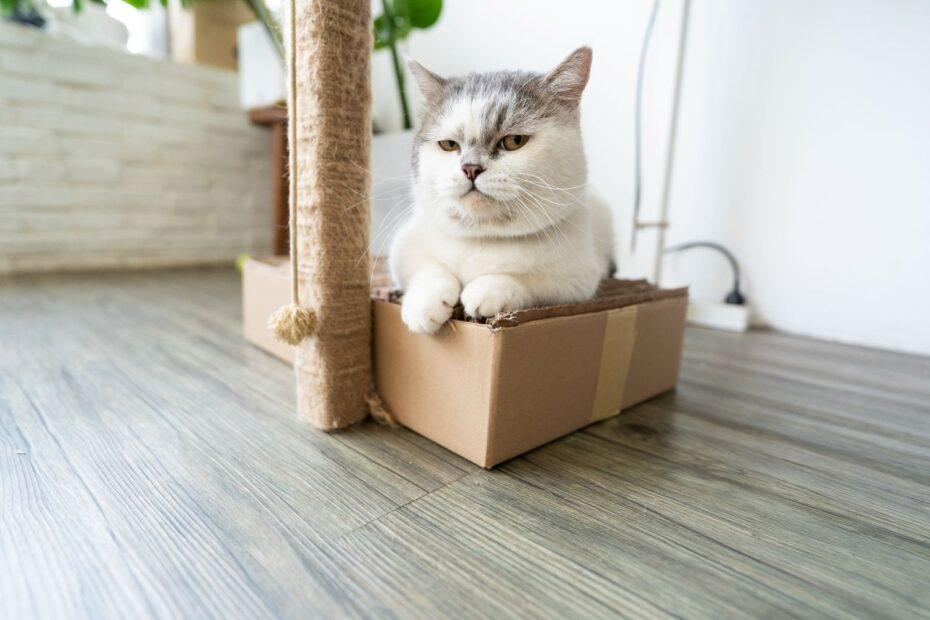
The Enduring Fascination with Cardboard Castles
It is a common observation among cat owners: present a feline with a brand-new, expensive toy, and they might ignore it in favor of the cardboard box it came in. This seemingly simple preference for enclosed spaces, particularly cardboard boxes, is more than just a quirky feline habit. It taps into fundamental aspects of a cat's psychology, evolutionary history, and physical needs, offering them a sense of security, comfort, and even a unique form of enrichment.
An Instinctual Haven: Security and Predator Avoidance
Cats, in both domestic and wild settings, are both predators and prey. This dual nature deeply influences their behavior, particularly their need for safe spaces. Boxes provide a confined, enclosed environment where a cat can observe its surroundings without being easily observed or approached. This allows them to feel secure, reducing their vigilance and stress levels. From an evolutionary standpoint, a confined space offers protection from potential predators lurking unseen. The walls of a box act as a physical barrier, creating a predictable and controllable territory. This instinctual need for a secure hiding spot is a primary driver behind their box-loving tendencies. When a cat retreats into a box, it is often seeking refuge and a place to decompress, away from perceived threats or overwhelming stimuli.
The provided excerpt on comfort objects notes their role in providing "psychological comfort, especially in unusual or unique situations, or at bedtime." For cats, a box can serve a similar purpose. In unfamiliar environments or during times of stress, such as during a move or the introduction of a new pet, a box offers a consistent, reliable source of security. This can significantly aid in recognizing signs of stress in cats and how to provide comfort and reassurance.
The Comfort of Enclosure: Warmth and Thermoregulation
Beyond psychological security, boxes offer a practical physical benefit: warmth. Cats have a higher thermoneutral zone than humans, meaning they are most comfortable at temperatures between 68-86°F (20-30°C). Cardboard is an excellent insulator, and the enclosed nature of a box traps body heat, creating a cozy microclimate. This is especially beneficial for kittens or older cats who may have more difficulty regulating their body temperature. When a cat curls up inside a box, it is often seeking to conserve energy by maintaining its body heat efficiently. This makes a simple cardboard box a highly effective and readily available heating pad, contributing significantly to their overall comfort and well-being.
A Stimulating Environment: Play and Exploration
While primarily associated with security, boxes also serve as valuable tools for feline enrichment and play. A box can transform into a dynamic plaything, offering opportunities for pouncing, hiding, and ambushing. Cats may dart in and out of openings, bat at dangling sides, or simply enjoy the tactile sensation of scratching the corrugated material. This form of play is crucial for maintaining a cat's physical health and mental acuity, especially for indoor cats who may lack natural hunting opportunities. Providing a stimulating environment is key to a cat's happiness, and a box, in its simplicity, can fulfill this need. Exploring different types of cat toys and their benefits for feline enrichment is important, but sometimes the most engaging toys are the ones that come with them.
Conclusion: The Humble Box as a Feline Essential
The humble cardboard box is far more than just packaging material; it is a multi-faceted resource for our feline companions. It provides a vital sense of security, acting as a sanctuary from perceived threats and a tool for managing stress. It offers physical comfort through insulation and warmth, contributing to their physiological well-being. Furthermore, it serves as an engaging platform for play and exploration, fulfilling their natural instincts. Understanding Why Some Cats Love Boxes: The Comfort and Security They Provide allows owners to better appreciate and cater to their cat's innate needs, ensuring a happier and more content pet.