
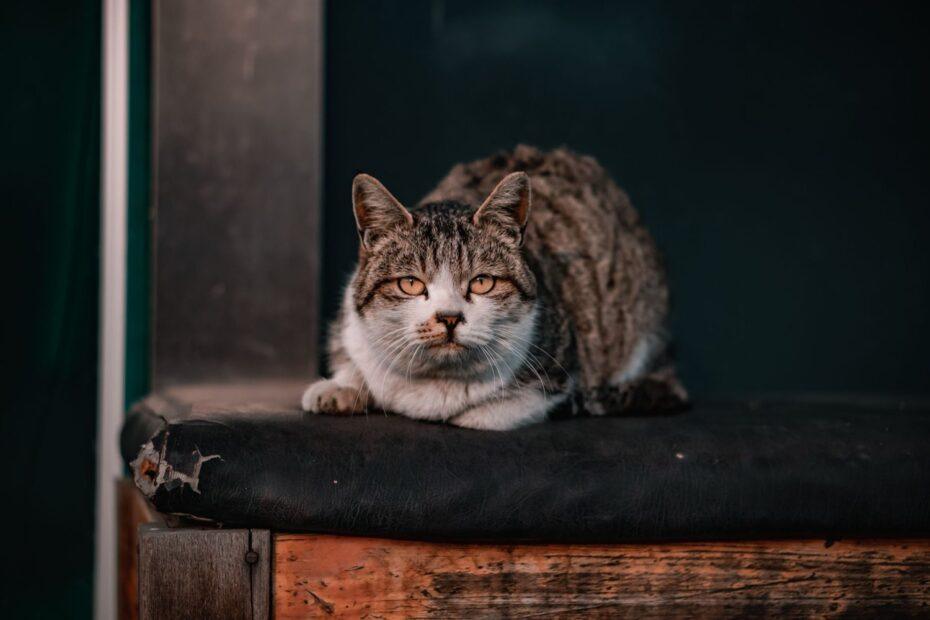
Understanding Feline Stress
Cats, like all living beings, can experience stress. This can stem from a variety of factors, including changes in their environment, social dynamics, or routine. Unlike overt displays of distress in some animals, feline stress often manifests in more nuanced behaviors that owners might overlook or misinterpret. Recognizing these subtle cues is crucial for maintaining a cat's well-being and strengthening the bond between pet and owner. A stressed cat may not be able to articulate their feelings, but their body language, vocalizations, and behavioral patterns offer clear indications of their emotional state.
Common Signs of Stress in Cats
Observing your cat's typical behavior is the baseline for identifying when something is amiss. When a cat is stressed, changes in their habits can become apparent. One of the most common indicators is a shift in their litter box habits. This can include inappropriate urination or defecation outside the litter box, or conversely, decreased urination and defecation, which might signal more severe anxiety or illness. Changes in appetite are also significant; some cats may eat less, leading to weight loss, while others might overeat as a coping mechanism.
Beyond physical changes, behavioral alterations are key. Increased vocalization, such as meowing, yowling, or even hissing, can signal distress, especially if it's unusual for your cat. Conversely, some cats may become unusually quiet or withdrawn. Grooming habits can also be affected; excessive or compulsive grooming can lead to bald spots or skin irritation, while a lack of grooming can result in a matted or unkempt coat, indicating a cat that feels too anxious or unwell to maintain its hygiene. Hiding more than usual, or avoiding interaction with family members, is another strong indicator that a cat is feeling overwhelmed or insecure.
Physical signs of stress often include changes in posture and body language. A cat that is tense may appear to be constantly on alert, with dilated pupils, flattened ears, or a hunched posture. They might exhibit a rapid, flicking tail or twitching. Some cats may also show aggression, such as swatting or biting, when approached, which is often a sign of fear rather than true malice. Recognizing Recognizing Signs of Stress in Cats and How to Provide Comfort and Reassurance involves a holistic view of their physical, behavioral, and social interactions.
Strategies for Providing Comfort and Reassurance
Once stress is identified, the next step is to provide comfort and reassurance. The most effective approach often involves creating a predictable and safe environment. Ensuring your cat has access to a quiet, undisturbed space where they can retreat is paramount. This space should include their food, water, litter box, and a comfortable resting spot, away from household traffic and potential stressors. Maintaining a consistent daily routine for feeding, playtime, and interaction can significantly reduce anxiety, as cats thrive on predictability.
Enriching the cat's environment can also help alleviate stress. Providing ample opportunities for play, exploration, and mental stimulation can redirect their energy and focus. This can include puzzle feeders, climbing structures, scratching posts, and interactive toys. Gentle, positive reinforcement during interactions, such as calm petting or soft vocalizations, can help build trust and security. Avoid punishing a stressed cat, as this can exacerbate their anxiety and damage your relationship. Instead, focus on positive experiences and creating a sense of safety.
For some cats, especially those facing significant environmental changes or persistent anxiety, consider consulting with a veterinarian or a certified feline behaviorist. They can help identify the root cause of the stress and recommend tailored solutions. These might include pheromone diffusers, calming supplements, or specific behavioral modification plans. Ultimately, providing comfort is about understanding your cat's individual needs and responding with patience, consistency, and empathy.
Related reading
- The Joys of Cat Companionship: How Cats Enrich Our Lives Every Day
- Addressing Cat Separation Anxiety: Helping Your Feline Cope When You’re Away