
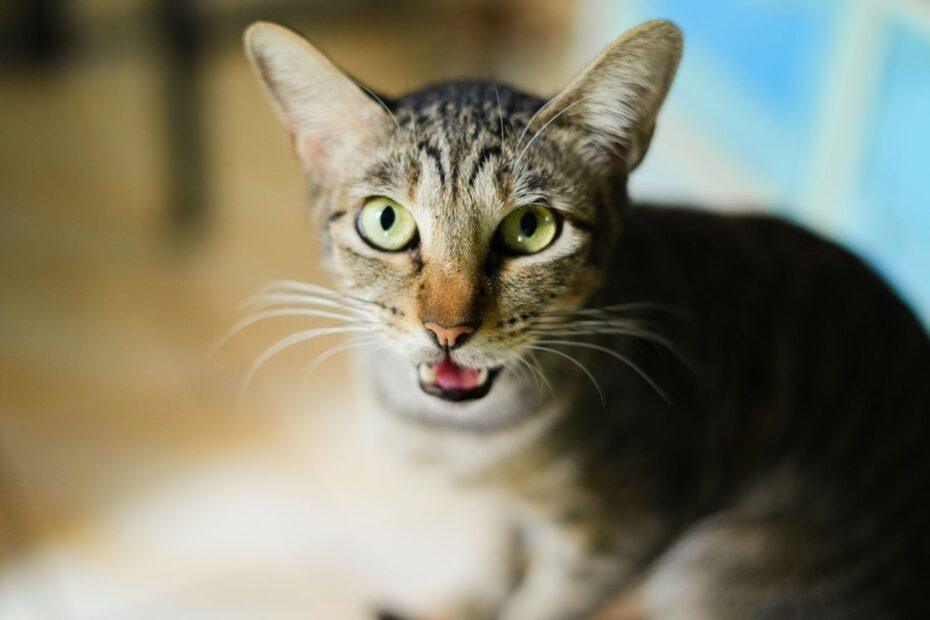
The Language of Cats: Beyond the Silent Stare
While cats are often perceived as independent and solitary creatures, they possess a rich and varied vocal repertoire. These sounds are not random; they serve as crucial tools for communication, directed primarily at humans once they are past kittenhood. Kittens meow to their mothers, but adult cats rarely meow at each other. Instead, they rely more on scent, body language, and other vocalizations like hisses or growls. The meow, in particular, seems to have evolved specifically for interacting with us. Decoding Your Cat's Meows involves paying close attention to the sound itself, its context, and your cat's accompanying body language.
Common Cat Vocalizations and Their Potential Meanings
Cats employ a range of sounds, each with potential implications. While a definitive 'dictionary' of meows doesn't exist, consistent patterns emerge that can help owners interpret their feline friends' desires and emotions.
The Classic Meow
The standard meow is perhaps the most versatile and commonly heard. Its pitch, length, and intensity can convey different messages. A short, high-pitched meow might be a greeting or a simple request, such as wanting attention or food. A longer, more insistent meow can signal a more urgent need or a demand. For instance, a persistent meow at the door could mean your cat wants to go outside, or perhaps is simply bored and seeking interaction. A series of meows might indicate excitement or a greater level of demand. Observing your cat's overall demeanor when they meow is key to understanding the specific nuance.
Chirps and Trills
These are often described as happy or friendly sounds. A soft chirp or trill is frequently used by mother cats to call their kittens or by cats to greet familiar people or other friendly animals. When your cat chirps or trills at you, it's usually a sign of contentment and affection. It can be an invitation to play or a way of saying hello. These gentle sounds are generally associated with positive emotions and a relaxed state.
The Hiss and Growl
These are unmistakable sounds of distress, fear, or aggression. A hiss is typically a defensive warning, signaling that a cat feels threatened and wants the perceived danger to back off. It's often accompanied by a flattened posture, dilated pupils, and an arched back. A growl is a more serious warning, indicating that a cat is feeling threatened or is becoming aggressive. It suggests that the cat may be prepared to defend itself if the perceived threat does not cease. These sounds should be taken seriously, and the cat should be given space.
The Caterwaul
This is a loud, drawn-out, and often unsettling vocalization that can signify distress, pain, or a strong territorial dispute. Female cats in heat often emit caterwauls to attract males. If your cat suddenly begins caterwauling, especially if it's a new behavior, it could indicate a medical issue or significant emotional distress, and a veterinary consultation might be warranted. It's a sound that signals something is significantly wrong.
Purring
While most commonly associated with contentment, purring isn't always a sign of happiness. Cats also purr when they are stressed, in pain, or trying to self-soothe. The low-frequency vibrations of purring are thought to have a calming and healing effect. Therefore, while a purring cat is often a happy cat, context is crucial. A purr accompanied by relaxed body language, slow blinks, and a comfortable resting position is a strong indicator of pleasure. However, a purr from a cat that is otherwise tense or injured might be a sign of discomfort.
Understanding Context and Body Language
To truly grasp what your cat is communicating, observe their entire being. Are their ears forward or back? Is their tail high or twitching? Are their pupils dilated or normal? For example, a meow accompanied by a relaxed, upright tail and slow blinks is very different from a meow delivered with flattened ears and a twitching tail. Combining vocal cues with visual cues provides a more complete picture of your cat's emotional state and needs. For deeper insights into non-vocal communication, exploring understanding your cat's body language can be highly beneficial.
When to Seek Professional Advice
While many vocalizations are normal feline communication, sudden changes in your cat's vocal behavior, such as increased meowing, unusual sounds, or silence when they are normally vocal, can sometimes signal an underlying health problem or stress. If you notice persistent changes or concerning vocalizations, consulting with your veterinarian is always the best course of action. They can help rule out any medical causes and offer guidance on behavioral issues. Ensuring your cat's environment is stimulating and comfortable can also reduce stress-related vocalizations; consider creating a stimulating environment for your indoor cat.