
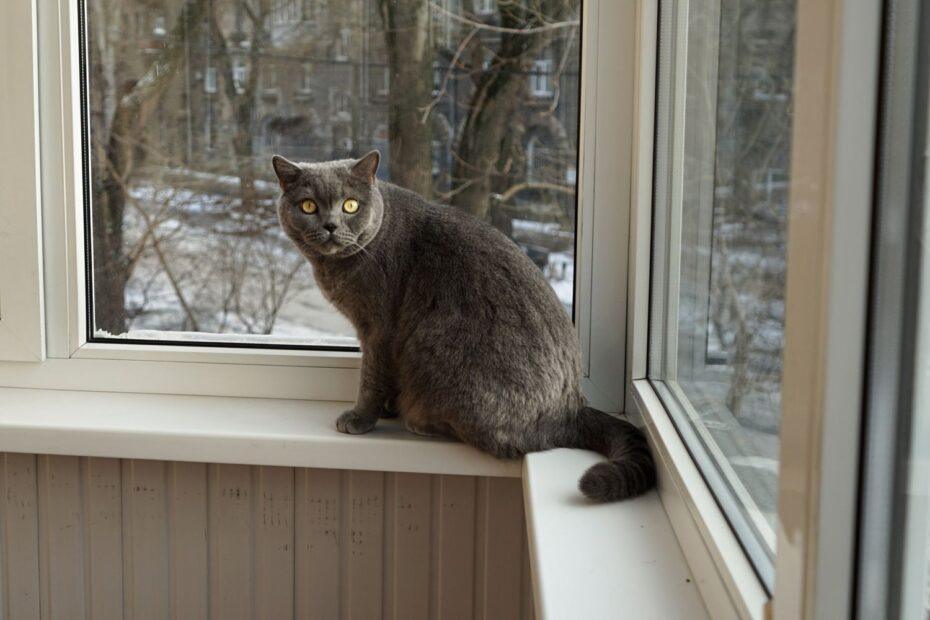
Why a Stimulating Environment Matters for Indoor Cats
Cats are naturally curious, agile, and predatory creatures. When confined to an indoor setting, their innate behaviors, such as hunting, climbing, and exploring, can be suppressed if their surroundings lack sufficient stimulation. A lack of engagement can lead to boredom, stress, anxiety, and even behavioral issues like excessive grooming, destructive scratching, or aggression. Providing a rich and varied environment is crucial for an indoor cat's mental, emotional, and physical health, contributing significantly to their overall happiness and well-being.
Maximizing Vertical Space
Cats feel secure and observant when they can survey their territory from elevated perches. Incorporating vertical elements into your home can transform a flat living space into an engaging playground. Cat trees, wall-mounted shelves, and window perches offer opportunities for climbing, jumping, and resting at different heights. Consider placing these structures near windows so your cat can observe the outside world, or near furniture where the family spends time, allowing them to be part of the household's activity without feeling exposed. The concept of an atrium in architecture, which creates a dynamic and stimulating interior while maintaining a visual link with the external environment, highlights how multi-level spaces can enhance an interior's appeal; similarly, for cats, distinct levels offer varied perspectives and sensory experiences.
Incorporating Scratching Opportunities
Scratching is a fundamental feline behavior that serves multiple purposes: it helps cats shed the outer husks of their claws, stretches their muscles, and marks their territory visually and with scent glands in their paws. Offering a variety of scratching surfaces is essential. This includes vertical posts made of sisal rope, horizontal cardboard scratchers, and even angled carpeted surfaces. Place scratchers in prominent locations where your cat likes to rest or near furniture you want to protect. Offering different textures and orientations caters to individual preferences and encourages appropriate scratching habits, diverting them from furniture or carpets.
Engaging Play and Interactive Enrichment
Regular play sessions are vital for an indoor cat's physical fitness and mental stimulation. Mimicking hunting behaviors through interactive toys can satisfy their predatory instincts. Wand toys with feathers or lures, laser pointers (used responsibly, always ending with a tangible reward), and puzzle feeders that dispense treats can provide significant engagement. Rotate toys regularly to keep them novel and exciting. Puzzle feeders, in particular, encourage problem-solving skills and slow down eating, which can be beneficial for digestion. Solo play is also important; provide a variety of toys like crinkle balls, mice, and springs that your cat can bat around independently.
Providing Sensory Stimulation
Beyond physical activity, cats benefit from diverse sensory input. Windows offer a constant source of visual stimulation, allowing cats to watch birds, insects, and passing pedestrians. Consider placing comfortable beds or perches in front of windows. Sound can also be enriching; playing nature sounds or calming music designed for cats can create a more pleasant atmosphere. Introducing safe scents, such as catnip or silver vine, can provide olfactory enrichment. Furthermore, ensuring a clean litter box and providing fresh water are fundamental aspects of a cat's sensory comfort and overall well-being.
Creating Safe Havens and Retreats
While exploration and activity are important, cats also need secure places to retreat, rest, and feel safe. This is especially true for shy or easily startled cats. Provide hiding spots such as covered beds, cardboard boxes, or tunnels. These safe havens allow cats to observe their surroundings without feeling vulnerable. Ensure these spaces are quiet, accessible, and free from disturbances. Offering multiple resting spots throughout the home at different levels caters to their need for choice and security, contributing to a reduction in stress and an increase in their sense of control over their environment.
Conclusion
By thoughtfully designing your home to incorporate vertical space, varied scratching surfaces, engaging play opportunities, sensory diversions, and secure retreats, you can create a truly stimulating environment for your indoor cat. This proactive approach not only prevents boredom and behavioral issues but actively enhances your cat's quality of life, fostering a happier, healthier, and more content feline companion.
Related reading
- Preventing Boredom in Solitary Cats with Enrichment Activities
- The Joys of Cat Companionship: How Cats Enrich Our Lives Every Day