
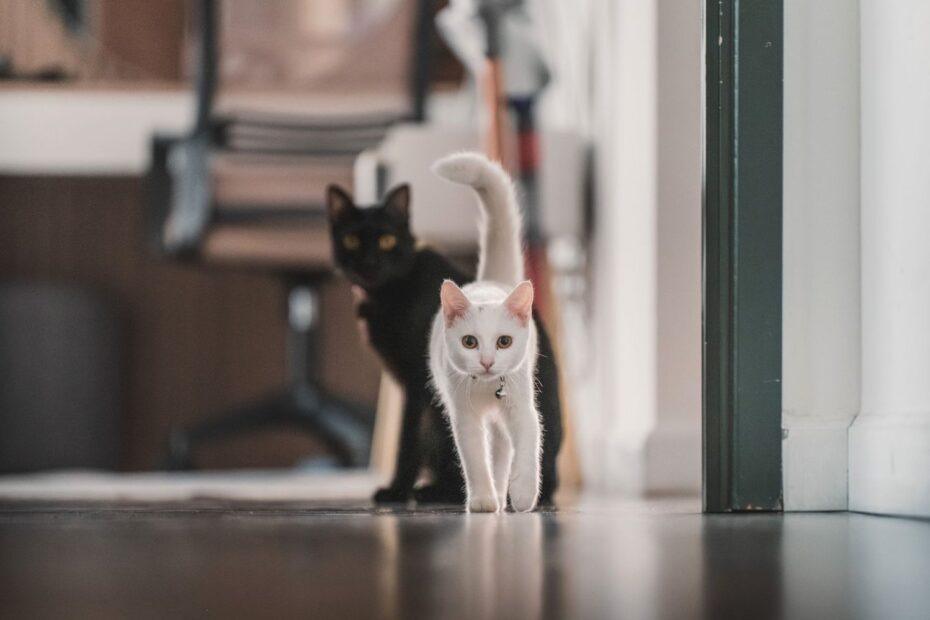
Preparing for a Harmonious Introduction
The arrival of a new feline companion is an exciting time, but for existing pets, it can be a period of adjustment. A successful integration hinges on careful preparation and a gradual introduction process. Rushing this phase can lead to stress, fear, and long-term behavioral issues between your pets. Understanding the territorial nature of cats and the potential anxieties of both new and resident animals is crucial for fostering a peaceful cohabitation.
Before the new cat even sets a paw in your home, consider creating a separate 'safe room' for them. This designated space should be equipped with all the essentials: a litter box, food and water bowls, a comfortable bed, and toys. This allows the newcomer to acclimate to their new environment without immediate pressure from other pets. It also provides a secure base from which they can cautiously begin to explore their new territory. For resident pets, maintain their established routines as much as possible to provide a sense of stability during this transitional period.
The Scent Swap: Building Familiarity
One of the most effective early steps in introducing pets is the scent swap. Animals, especially cats, rely heavily on scent for communication and understanding their environment. Begin by exchanging bedding or toys between the new cat and your resident pets. Place the new cat's bedding in an area frequented by your resident pet, and vice versa. This allows each animal to become familiar with the other's scent in a non-threatening way. You can also gently rub a soft cloth on each pet's cheeks and then place the cloth in the other pet's living area. This process helps them associate each other's scent with their own familiar surroundings, reducing potential apprehension when they eventually meet face-to-face.
Observe your pets' reactions to these scent exchanges. If a resident pet shows excessive fear or aggression towards the new scent, it indicates a need for more time and a slower pace. Conversely, if they show curiosity or indifference, it's a positive sign. This phase can take several days to a couple of weeks, depending on the individual personalities and temperaments of your pets.
Supervised Visual Introductions
Once your pets have become accustomed to each other's scents, it's time for visual introductions. Keep these interactions brief, positive, and always supervised. A common method is to use baby gates or keep the new cat in a carrier or a separate room with the door slightly ajar, allowing them to see each other without direct contact. Alternatively, you can feed your pets on opposite sides of a closed door, gradually moving their food bowls closer over time, so they associate each other's presence with a positive experience (eating).
When you progress to direct visual contact, ensure it's in a neutral, open space if possible, or within the new cat's safe room if that feels more secure. Keep initial sessions short, perhaps only a few minutes, and end them on a positive note, like offering treats or praise, before any signs of stress or conflict arise. If either pet shows signs of aggression (hissing, growling, swatting) or extreme fear (hiding, cowering), separate them immediately and return to scent swapping or visual introductions through a barrier. Patience is paramount; forcing interactions can set back progress significantly.
Gradual Integration and Monitoring
As your pets become more comfortable with visual introductions, you can gradually increase the duration and frequency of their supervised interactions. Continue to offer high-value treats or praise when they are calm and respectful of each other's space. The goal is to create positive associations with each other's presence. Never leave new pets unsupervised together until you are absolutely certain they are comfortable and safe in each other's company. This may take weeks or even months.
Continue to monitor their body language and behavior closely. Look for signs of relaxed postures, slow blinks, and mutual grooming as indicators of developing trust. Conversely, persistent hissing, chasing, or avoidance may signal ongoing stress. If challenges persist, consult with a veterinarian or a certified animal behaviorist for tailored advice. Ensuring a safe and positive environment for all pets is key to a lasting, harmonious relationship within your multi-pet household.
Related reading
- Creating a Safe Haven for Your Cat During Household Changes or Stressful Events
- Managing Cat Anxiety During Fireworks and Thunderstorms
- Traveling with Your Cat: Tips for a Smooth and Stress-Free Journey