
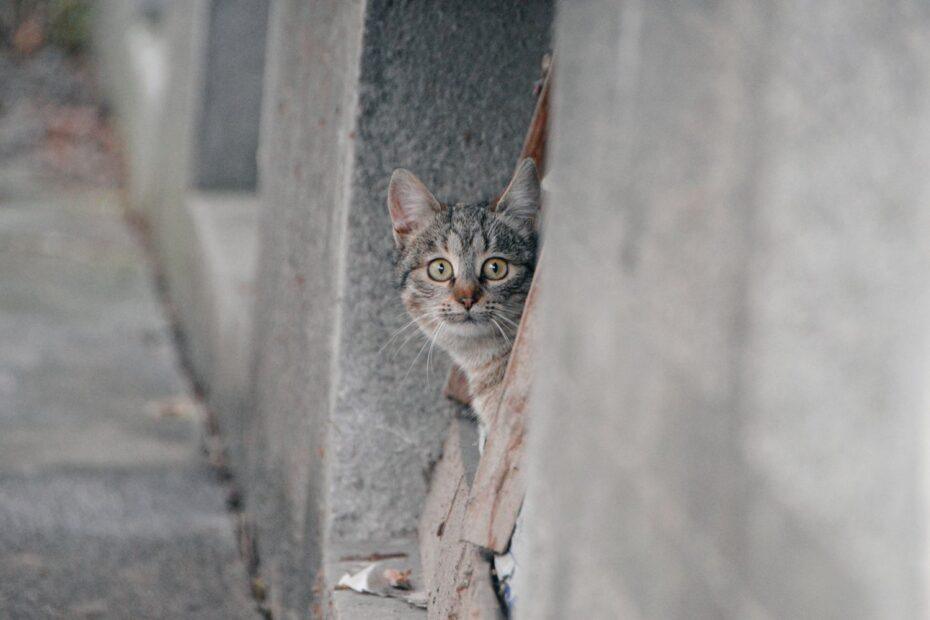
Understanding Your Cat's Need for a Sanctuary
Cats are creatures of habit and often thrive on routine. When their environment changes, or when unexpected stressful events occur, their innate sense of security can be profoundly disrupted. Unlike dogs, who may look to their human companions for immediate reassurance, cats often retreat and seek solitude when overwhelmed. Recognizing this fundamental need is the first step in providing effective support. A well-established safe haven acts as a crucial buffer, allowing your cat a predictable and secure space to retreat to, process their feelings, and regain their composure away from the source of stress.
Common Stressors for Cats
Numerous situations can trigger anxiety in felines, leading them to seek refuge. Common household changes include moving to a new home, the introduction of a new pet or person (including a new baby), or even significant renovations that alter their familiar territory. Stressful events can range from loud, prolonged noises like construction or fireworks to changes in your work schedule that alter their daily interaction patterns. Even guests visiting your home can be a source of anxiety for a sensitive cat. Understanding these potential triggers helps in proactively preparing a safe zone before the event or immediately after it commences.
Key Elements of an Effective Safe Haven
A truly effective safe haven for your cat goes beyond simply closing a door to a room. It involves creating an environment that caters to their natural instincts and needs for security. Essential components include:
- Vertical Space: Cats feel safer when they can observe their surroundings from a height. Shelves, cat trees, or even a secure perch on top of a sturdy piece of furniture can provide this elevated vantage point.
- Hiding Spots: Ample enclosed spaces where a cat can feel completely hidden are vital. This could be a cardboard box with a hole cut in it, a covered cat bed, or a dedicated cubby. The space should be just large enough for them to turn around comfortably.
- Resource Accessibility: Within or very near the safe haven, ensure easy access to fresh water, their food bowl, and a clean litter box. This minimizes the need for them to venture out into potentially stressful areas to meet basic needs.
- Comfort Items: Include familiar bedding, a favorite toy, or an item that carries your scent or the scent of other familiar, non-threatening household members. These familiar smells can be incredibly comforting.
- Quiet and Calm: The chosen location should be away from high-traffic areas, loud noises, and direct disturbances. A spare bedroom, a quiet corner of a living room, or a dedicated closet can work well.
Practical Steps for Setup
When preparing a safe haven, aim for a gradual introduction if possible. If you are moving, set up the safe space in the new home as soon as you arrive, before unpacking everything else. If the stressor is within your current home, such as renovations, establish the haven beforehand. Place familiar items, such as their current bed and toys, into the designated space. Ensure the door is slightly ajar or accessible so they can enter and exit freely, but also feel secure when inside. Avoid forcing your cat into the space; let them discover it and choose to use it at their own pace. Consider using Feliway diffusers or sprays in the safe area, as these synthetic pheromones can help promote a sense of calm and well-being.
Managing Your Cat During the Stressful Event
During the period of change or stress, your role is to be a reassuring presence without being intrusive. Allow your cat to dictate the level of interaction. If they choose to remain in their safe haven, respect their need for space. Offer food, water, and clean the litter box with minimal disturbance. When they do emerge, offer calm, gentle attention. Speak in a soft voice and avoid sudden movements. If they seek comfort, provide petting and reassurance, but do not force prolonged interaction if they seem hesitant. Observing your cat's body language is crucial here; signs of stress like flattened ears, a tucked tail, or dilated pupils indicate they may need more time in their sanctuary. Understanding your cat's body language can greatly assist in gauging their comfort levels.
Post-Event Reintegration
Once the stressful event has passed and the environment has stabilized, it is important to help your cat reintegrate at their own speed. Continue to ensure their safe haven remains accessible for a while, as they may still need it for comfort. Gradually encourage them to explore the wider home environment by leaving treats or toys outside their sanctuary. Spend quality time with them in neutral areas of the house. If you introduced a new pet, follow a slow and careful introduction process to ensure both animals feel secure. Patience is key; some cats may take days, while others may take weeks to fully return to their pre-stress routine. Continue to observe their behavior for any lingering signs of anxiety and be prepared to offer continued support.