
Understanding Cat Anxiety During Loud Events
Cats, like many animals, can experience significant anxiety when exposed to sudden, loud, or unfamiliar noises. Events such as fireworks and thunderstorms are common triggers for this distress. While the exact reasons for a cat's specific phobia can be complex, it is understood that intense auditory stimuli can activate their 'fight or flight' response. This response is a natural survival mechanism, but when triggered by non-threatening, albeit loud, events, it can lead to prolonged stress and fear. The Wikipedia entry on noise phobia in dogs notes that various noises can provoke anxiety, and associated stimuli (like changes in barometric pressure before a storm) can also trigger anticipatory anxiety. While this excerpt focuses on dogs, the principle of noise-induced phobia and the role of associated environmental cues are relevant to understanding feline responses as well. Cats may also develop a learned association, where the sound itself becomes a predictor of an unpleasant or frightening experience, intensifying their anxious reactions over time.
Recognizing Signs of Distress
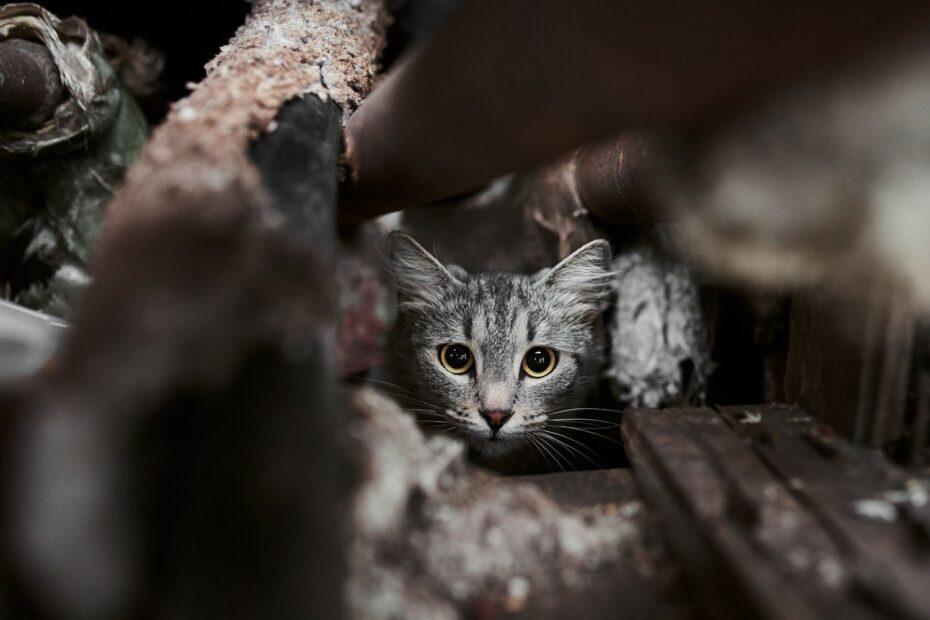
Identifying anxiety in cats is crucial for providing timely support. Unlike dogs, cats often display their stress in more subtle ways. Common signs of anxiety during fireworks or thunderstorms include hiding, seeking unusually tight or confined spaces, excessive vocalization (meowing, yowling), trembling, panting, dilated pupils, and a refusal to eat or interact. Some cats may also exhibit changes in litter box habits, such as urinating or defecating outside the box, or become unusually clingy and seek constant reassurance. Others might display more outward signs of agitation, like pacing, restlessness, or even aggression if cornered or approached when highly stressed. Paying close attention to your cat's typical behavior and noting deviations during noisy events can help you understand their level of discomfort and intervene appropriately. Understanding your cat's body language is key; a tucked tail, flattened ears, or a hunched posture can all indicate fear and stress.
Creating a Safe Haven
Establishing a 'safe haven' for your cat before and during noisy events can significantly mitigate their anxiety. This space should be a quiet, enclosed area where your cat feels secure. It could be a closet, a bathroom, or even a specially designated crate or carrier, preferably one they already associate with comfort and safety. Equip this space with familiar items such as their favorite bedding, a blanket that carries their scent, and perhaps a piece of your clothing. Providing a hiding spot, like a cardboard box or a covered bed, within this safe zone can also offer an extra layer of security. Ensure this area is easily accessible to your cat at all times, especially when fireworks or thunderstorms are anticipated. Minimizing other environmental stressors by closing curtains to block flashing lights and turning off loud televisions or radios can further enhance the tranquility of this designated safe space.
Management Strategies and Support
Beyond a safe space, several strategies can help manage your cat's anxiety. During an event, maintain a calm demeanor yourself, as your own stress can transfer to your pet. You can try playing calming music or using a white noise machine to help mask the external sounds. Pheromone diffusers or sprays, designed to mimic natural feline pheromones that promote a sense of calm, may also be beneficial for some cats. Interactive play before the anticipated event can help expend excess energy and distract them, while gentle petting or stroking, if your cat seeks it, can be comforting. However, avoid forcing interaction or over-coddling, which might inadvertently reinforce fearful behavior. If your cat's anxiety is severe or persistent, consulting with your veterinarian is recommended. They can discuss potential behavioral modification techniques or, in some cases, recommend prescription anti-anxiety medication or supplements tailored to your cat's specific needs.
Preventative Measures and Long-Term Solutions
While immediate management is key during events, considering long-term solutions can improve your cat's overall resilience to stress. Gradual desensitization and counter-conditioning techniques, often guided by a professional, can help some cats become less reactive to specific sounds over time. This involves exposing the cat to low-intensity versions of the feared sound while pairing it with positive experiences, like treats or play. Ensuring your cat has an enriching environment with plenty of opportunities for play, exploration, and comfortable resting spots can contribute to their general well-being and reduce baseline stress levels. Regular veterinary check-ups are also important to rule out any underlying medical conditions that might exacerbate anxiety. By combining environmental management, behavioral support, and professional guidance when necessary, you can effectively help your cat navigate the challenges posed by fireworks and thunderstorms.