
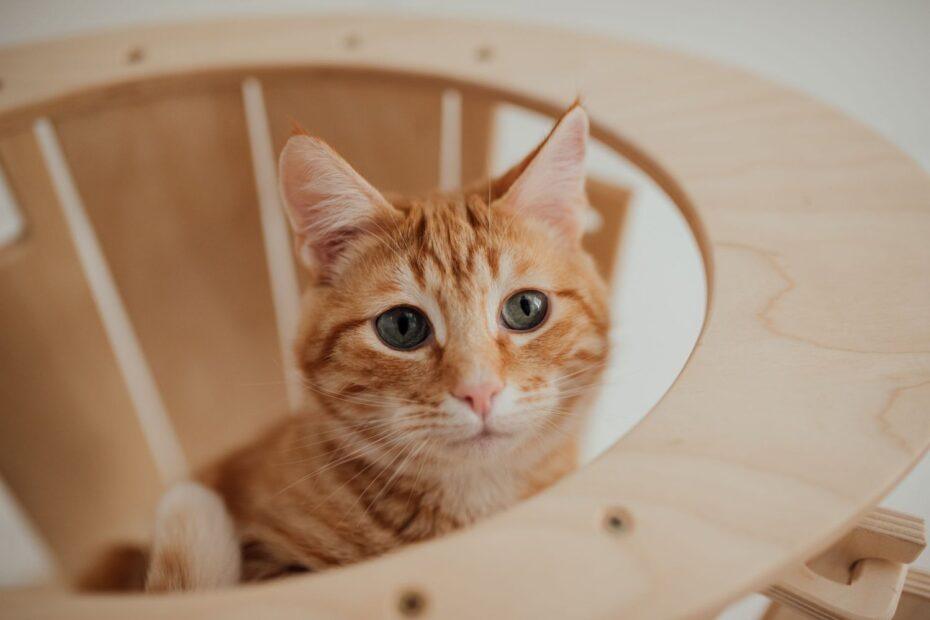
Understanding Feline Needs for Vertical Space
Cats are inherently arboreal and crepuscular creatures, meaning they often feel most secure and alert when they can survey their surroundings from elevated positions. This instinct stems from their wild ancestors, who used height to evade predators and hunt prey. In a domestic environment, this need doesn't disappear. Providing opportunities for vertical exploration is crucial for a cat's psychological well-being, reducing stress and promoting a sense of security. When cats have access to high places, they can retreat from perceived threats, observe their territory without being seen, and engage in natural behaviors like climbing and perching.
The Role of Cat Trees in Feline Enrichment
Cat trees, often described as multi-level structures, are specifically designed to meet these feline needs for height and exploration. These structures can range from simple scratching posts that extend vertically to elaborate, towering complexes with multiple platforms, perches, hiding spots, and ramps. The variety of levels and textures offered by a well-designed cat tree encourages physical activity through climbing and jumping, which is essential for maintaining muscle tone, cardiovascular health, and preventing obesity. Furthermore, the different tiers provide distinct zones for resting, playing, and observing, allowing a cat to choose its preferred vantage point based on its mood and energy level.
Creating a Stimulating Environment with Vertical Elements
Beyond dedicated cat trees, other vertical elements can significantly contribute to a stimulating environment. This includes sturdy shelving units installed at varying heights, window perches, or even cat-friendly furniture arrangements that allow cats to navigate upwards. The key is to create a safe and accessible
Benefits for Physical and Mental Well-being
Providing ample vertical space, including structures like cat trees, offers significant advantages for a feline's overall health. Physically, these elevated areas encourage natural climbing, jumping, and stretching behaviors. This activity is crucial for maintaining muscle mass, promoting cardiovascular health, and preventing the sedentary lifestyle that can lead to obesity in indoor cats. The varied levels also allow for different types of exercise, from a short leap to a climb up a textured post, catering to a cat's natural athleticism.
Mentally, vertical spaces serve as vital sanctuaries and observation posts. Cats are naturally inclined to seek high vantage points to survey their environment, which helps them feel secure and in control. This ability to retreat and observe can significantly reduce stress and anxiety, especially in multi-cat households or busy homes. The opportunity to engage in climbing and exploring also combats boredom, providing essential mental stimulation that can prevent destructive behaviors stemming from a lack of engagement.
Enhancing Agility and Balance
The varied heights and surfaces of cat trees encourage a cat's natural agility and balance. Leaping between platforms, climbing posts, and navigating ramps provides a full-body workout. This consistent physical engagement is key to maintaining lean muscle mass and supporting joint health, especially for indoor cats who may have limited opportunities for extensive movement.
These structures offer a safe environment for cats to practice their climbing and jumping skills without the risks associated with outdoor environments. The act of scaling a tall cat tree can also build confidence, allowing cats to feel more capable and secure in their territory.
Related reading
- Exploring Different Types of Cat Toys and Their Benefits for Feline Enrichment
- The Benefits of Interactive Play for Strengthening the Bond with Your Cat