
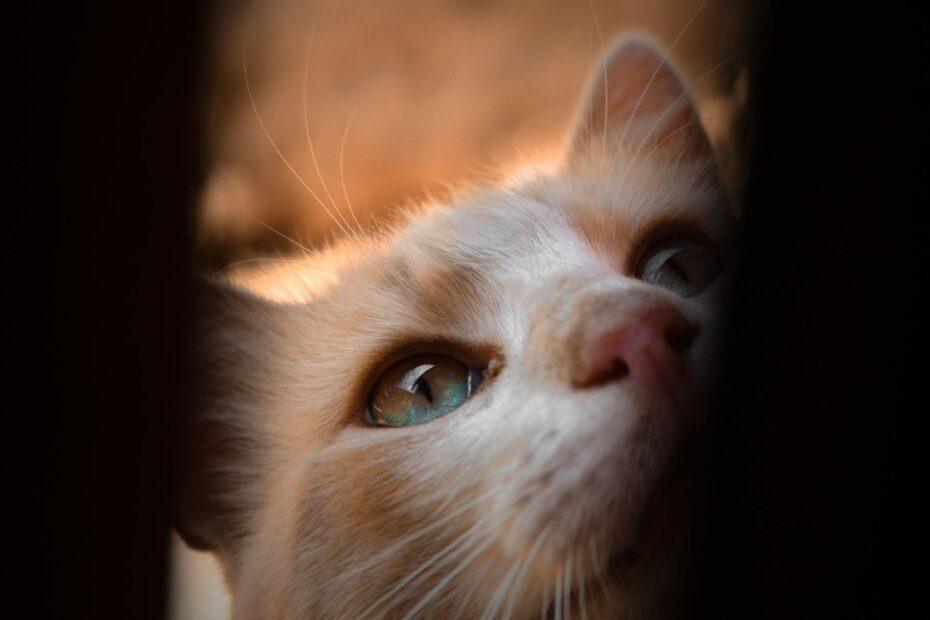
Understanding Why Cats Hide
Hiding is a natural and often instinctual behavior for cats. In the wild, it serves as a crucial survival mechanism, allowing them to seek refuge from predators, observe their surroundings unseen, or find a safe space to rest and digest. Domestic cats retain this innate need for security and privacy. A cat might hide when it feels overwhelmed, stressed, ill, injured, or simply when it desires solitude. Understanding the context of your cat's hiding is the first step in assessing whether it's a normal expression of feline nature or a signal of distress.
Distinguishing Normal Hiding from Concerning Behavior
Occasional hiding, especially in new environments or during loud events like thunderstorms or parties, is typically normal. A cat that hides when guests arrive but emerges later to interact, or one that retreats to a favorite quiet spot for a nap, is usually not exhibiting cause for alarm. The behavior becomes concerning when it is:
- Persistent: The cat hides for extended periods, rarely coming out, even for food, water, or litter box use.
- Sudden Onset: A normally social or outgoing cat suddenly begins hiding constantly.
- Accompanied by Other Symptoms: Hiding is paired with changes in appetite, grooming, vocalization, or litter box habits.
- Fear-Based: The hiding appears to stem from extreme fear or anxiety that doesn't resolve.
If your cat's hiding falls into these more concerning categories, it warrants closer attention.
When to Seek Veterinary Advice
Persistent hiding is frequently a primary indicator that a cat is unwell or in pain. Cats are adept at masking discomfort, and retreat is often their way of coping. A sudden increase in hiding can signal:
- Pain or Injury: Internal injuries, arthritis, dental issues, or other painful conditions can make a cat seek isolation.
- Illness: Gastrointestinal upset, urinary tract infections, kidney disease, or systemic infections can cause lethargy and a desire to hide.
- Neurological Issues: Conditions affecting the brain or nervous system can alter behavior, including increasing withdrawal.
If you notice your cat hiding more than usual, especially if they are not eating, drinking, or using the litter box, a prompt visit to your veterinarian is essential. They can perform a thorough examination to rule out or diagnose any underlying medical problems. Early detection and treatment are crucial for your cat's well-being.
Behavioral Triggers and Environmental Solutions
Beyond medical issues, environmental factors and stress can significantly contribute to a cat's hiding behavior. Cats are sensitive creatures, and changes in their environment or social dynamics can be unsettling. Common triggers include:
- New Pets or People: The introduction of a new family member, whether human or animal, can cause anxiety. Ensure introductions are gradual and supervised, as detailed in safely introducing a new cat.
- Loud Noises or Disruptions: Construction, parties, or even vacuuming can frighten a cat into hiding.
- Changes in Routine: A shift in feeding schedules, your work hours, or household activity can disrupt a cat's sense of security.
- Lack of Safe Spaces: If a cat doesn't have enough quiet, elevated, or secure spots to retreat to, they may hide in less-than-ideal locations.
- Inter-cat Conflict: In multi-cat households, one cat may hide to avoid another.
Addressing these triggers involves creating a stable, predictable, and enriched environment. Provide multiple vertical spaces and hiding spots, maintain a consistent routine, and manage introductions carefully.
Encouraging Your Cat to Emerge
When your cat is hiding due to stress or shyness, patience and gentle encouragement are key. Avoid forcing them out, as this can increase their fear. Instead, try the following:
- Create a Safe Zone: Place their food, water, and litter box near their hiding spot, but not so close that it feels intrusive.
- Offer Tempting Treats: Leave high-value treats or a favorite toy near their hiding place.
- Speak Softly: Use a calm, soothing voice to let them know you are present and not a threat.
- Play Sessions: Engage them with a favorite wand toy from a distance, allowing them to participate on their terms. This can be a great way to boost their confidence.
- Pheromone Diffusers: Consider using synthetic feline facial pheromone products, which can help create a sense of calm and security.
Allow your cat to dictate the pace of re-engagement, celebrating small victories like a brief appearance or interaction.
Conclusion
While hiding is a normal feline behavior, persistent or sudden hiding can signal underlying issues. By understanding the difference between voluntary retreat and distress, identifying potential medical or environmental triggers, and employing patient, gentle encouragement, you can help your cat feel secure and encourage them to rejoin the family activities. Always consult your veterinarian if you suspect a medical problem or if the hiding behavior is causing significant distress to your cat.