
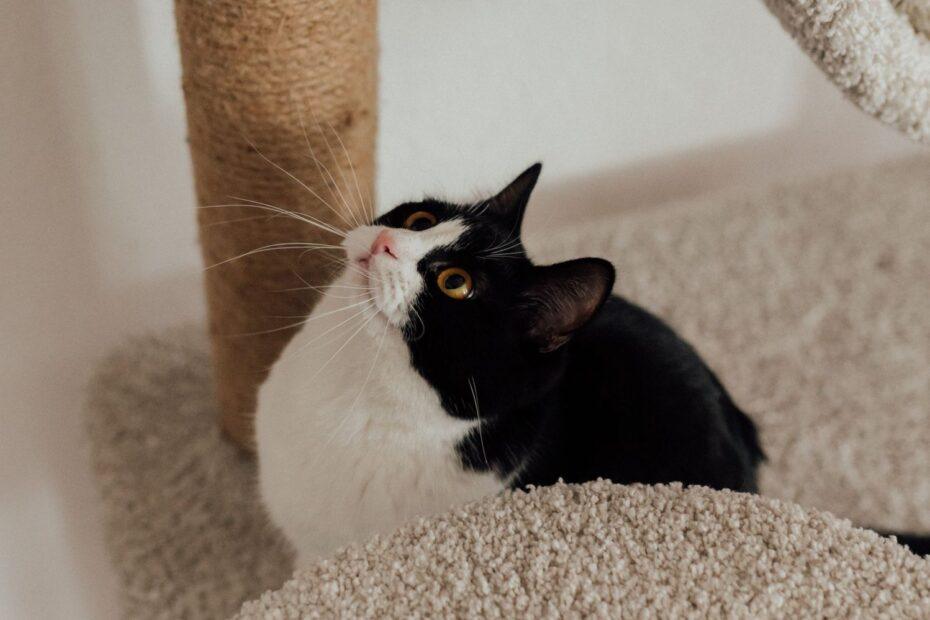
Understanding the Need for Cat Playtime
For domestic cats, especially those living indoors, playtime is not merely a recreational activity but a fundamental component of their overall health and happiness. It serves as a crucial outlet for their natural instincts, which are often suppressed in a modern household environment. These instincts include hunting, stalking, pouncing, and chasing, behaviors deeply ingrained from their wild ancestors. Without an appropriate avenue to express these drives, cats can develop behavioral issues such as boredom, anxiety, and even aggression. Engaging in regular cat playtime helps satisfy these innate needs, promoting a more balanced and content feline companion.
Physical Benefits of Interactive Play
Consistent physical activity through play is vital for maintaining a cat's health. It aids in weight management, preventing the common and serious health risks associated with obesity, such as diabetes, arthritis, and heart disease. Interactive play sessions mimic the natural chase-and-catch cycle of hunting, providing a full-body workout. This can involve quick bursts of energy, leaps, and sprints, which help build muscle tone, improve cardiovascular health, and maintain joint flexibility. For kittens, play is also essential for developing coordination, balance, and motor skills. Even senior cats can benefit from gentle play, which helps keep their bodies agile and their minds alert, contributing to a better quality of life.
Mental Stimulation and Enrichment
Beyond the physical advantages, cat playtime is an indispensable tool for mental stimulation. Boredom can lead to a decline in cognitive function and the development of undesirable behaviors like excessive vocalization, destructive scratching, or over-grooming. Interactive toys and games challenge a cat's intellect, encouraging problem-solving and strategic thinking. For instance, puzzle feeders require cats to figure out how to release treats, engaging their minds in a rewarding task. The unpredictability of a moving toy, like a feather wand or a laser pointer (used responsibly), also keeps their minds sharp by tapping into their predatory instincts. This mental engagement helps prevent cognitive decline and keeps your cat feeling stimulated and satisfied.
Choosing the Right Toys and Techniques
Selecting appropriate toys is key to effective cat playtime. A variety of textures, sizes, and types can keep your cat engaged. Wand toys with feathers, strings, or crinkle materials are excellent for mimicking prey and encouraging pouncing and chasing. Small, lightweight balls or plush toys can be batted around and
Establishing a Play Routine
Developing a consistent play routine is crucial for a cat's overall well-being and helps channel their natural energy constructively. Cats thrive on predictability, and regular, scheduled play sessions provide them with a sense of security and anticipation. This routine mimics the natural hunting cycle of dawn and dusk, often when cats are most active. By dedicating specific times each day for interactive play, you can help regulate their sleep patterns, reduce anxiety, and prevent boredom-induced behaviors.
Aim for at least two short play sessions per day, ideally in the morning before you leave or have breakfast, and again in the evening before dinner or bedtime. These sessions don't need to be long; 10-15 minutes each can be highly effective. Observe your cat's cues—if they seem restless or are actively seeking your attention, it's a good indicator they are ready for a play session. Consistency is key; making playtime a predictable part of your daily schedule will help your feline companion feel more settled and engaged.
Related reading
- The Importance of Socialization for Kittens and Adult Cats
- The Benefits of Cat Trees and Vertical Spaces for Feline Exploration