
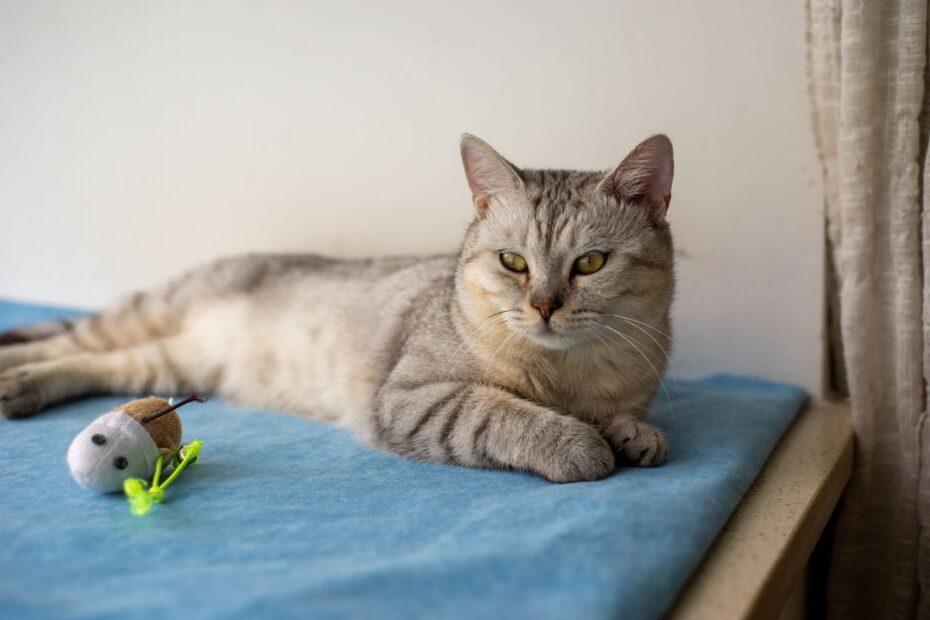
The Root of Feline Behavior: Understanding Instincts
Cats, whether pampered house pets or elusive strays, are governed by a powerful set of instincts honed over millennia. These innate drives are not mere quirks but fundamental aspects of their survival and well-being, shaping everything from their hunting prowess to their social interactions. Understanding these core Feline Instincts offers invaluable insight into your cat's world, fostering a more harmonious and fulfilling relationship between pet and owner.
Predatory Drive: The Hunter Within
At the heart of many feline behaviors lies a deeply ingrained predatory instinct. Even well-fed domestic cats retain the urge to stalk, chase, and pounce, a behavior essential for their wild ancestors' survival. This instinct is not about aggression but about fulfilling a biological need. Playtime, therefore, is crucial for domesticated cats, serving as a safe outlet for these natural hunting urges. Toys that mimic the movement of fleeing prey, such as those suspended from a rod, often elicit the most enthusiastic engagement. This type of play, sometimes referred to as "catfishing," taps directly into their instinct to pursue and capture, which is far more stimulating than toys that mimic confrontational prey. Providing appropriate outlets for this instinct through interactive play can significantly reduce boredom and prevent the development of unwanted behaviors.
Communication and Social Cues
While often perceived as solitary, cats possess complex social structures and communication methods rooted in instinct. Their vocalizations, from soft meows to insistent chirps, are often directed at humans, a learned behavior to solicit attention or express needs, building upon their innate ability to communicate. Body language, including tail position, ear orientation, and eye dilation, serves as a vital, instinctual communication channel with both other cats and their human companions. Understanding these subtle signals can prevent misunderstandings and strengthen your bond. For instance, a slow blink is often interpreted as a sign of trust and contentment, an instinctual display of non-aggression.
Grooming and Territoriality
Instinctual grooming is more than just cleanliness; it serves multiple purposes. Cats meticulously groom themselves to remove parasites, distribute natural oils for coat health, and, importantly, to manage their scent. A cat's scent is a critical part of its identity and territorial marking. They also engage in scent marking through rubbing their faces on objects or people, depositing pheromones that signal ownership and comfort within their environment. This instinctual need to establish and maintain a territory contributes to their sense of security. Scratching posts, for example, fulfill an instinctual need to mark territory visually and olfactorily, while also allowing them to stretch and maintain their claws. Choosing appropriate scratching solutions can protect furniture and satisfy this natural behavior.
Comfort and Security Behaviors
Behaviors like kneading, often accompanied by purring, are instinctual remnants from kittenhood, when they kneaded their mother's belly to stimulate milk flow. As adults, this action often signifies contentment, comfort, and a feeling of security. Similarly, finding a safe, enclosed space to sleep or rest is an instinctual behavior that provides a sense of protection from perceived threats. Recognizing these behaviors allows owners to appreciate the deep-seated instincts that drive their cat's actions, leading to a more empathetic and understanding approach to pet ownership.
Related reading
- Why Do Cats Bring Us ‘Gifts’? Exploring This Instinctive Behavior
- Why Does My Cat Stare at Me? Unraveling the Mystery of the Cat Gaze