
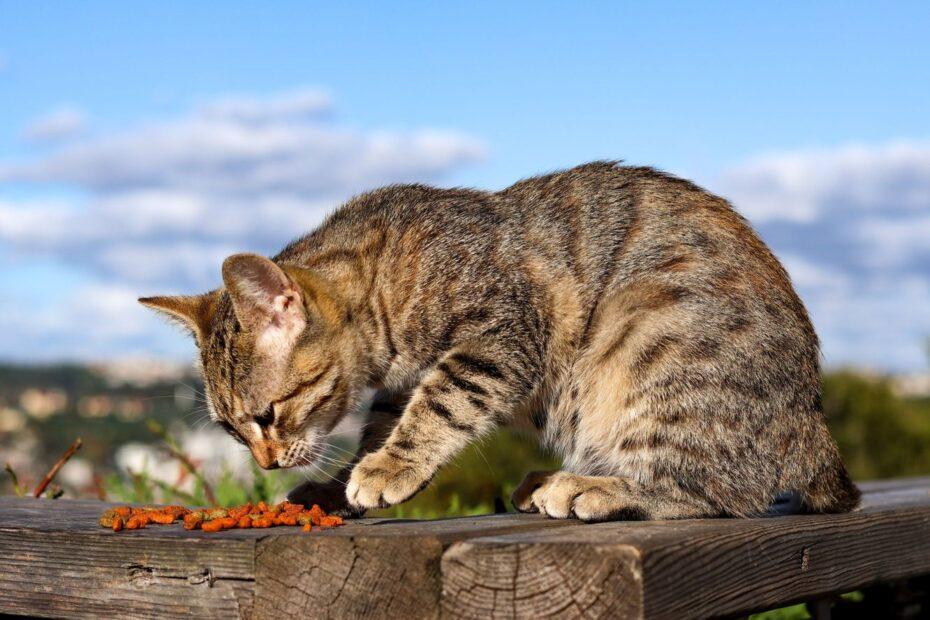
Understanding Why Cats Become Fussy Eaters
A cat's reluctance to eat can stem from various factors, making it essential to observe and understand the root cause before implementing strategies. Sometimes, what appears as fussiness is a sign of an underlying issue, such as dental pain, gastrointestinal discomfort, or other medical conditions. If your cat's eating habits change suddenly or are accompanied by other symptoms like lethargy, vomiting, or weight loss, a veterinary consultation is the first and most crucial step. Beyond medical concerns, environmental factors play a significant role. Cats are creatures of habit and can be sensitive to changes in their surroundings, such as a new food brand, a different feeding location, or even stress from household disruptions. Their sense of smell is highly developed, and the aroma of food is a primary driver of appetite. If food has gone stale or rancid, or if the bowl is not clean, it can deter them from eating. Dietary conservatism, a natural tendency observed in many animals, means cats may be slow to accept new foods, preferring familiar tastes and textures. This innate caution, while beneficial in the wild, can manifest as pickiness in a domestic setting.
Assessing and Adjusting the Diet
When medical issues are ruled out, the focus can shift to the diet itself. For fussy eaters, variety is not always the answer; consistency can be key. However, if a cat has been on the same food for a long time, they might simply be bored. Introducing new foods requires patience and a gradual approach. Mix a small amount of the new food with the old, slowly increasing the proportion of the new food over several days or even weeks. Pay attention to texture and flavor profiles. Some cats prefer wet food for its moisture content and aroma, while others might be drawn to the crunch of dry kibble. Consider the ingredients; high-quality protein sources are generally more appealing. If your cat is accustomed to a particular flavor, try other options within the same brand or line. Sometimes, simply warming wet food slightly can enhance its aroma and palatability, making it more enticing. Ensure that the food is stored correctly to maintain freshness and that the expiration dates are checked regularly. Avoid leaving wet food out for extended periods, as it can spoil and become unappetizing.
Optimizing the Feeding Environment
A cat's feeding environment significantly impacts their willingness to eat. Cats are naturally clean animals and can be put off by dirty bowls. Ensure food and water bowls are washed daily with mild soap and rinsed thoroughly. Ceramic or stainless steel bowls are often preferable to plastic, which can retain odors and harbor bacteria. Consider the location of the food bowl; cats prefer quiet, undisturbed areas away from their litter box and high-traffic zones. A noisy or chaotic environment can make a cat feel insecure, discouraging them from eating. Some cats prefer elevated bowls, which can aid digestion and make feeding more comfortable, especially for older cats or those with arthritis. If you have multiple cats, separate feeding stations are often necessary to prevent competition or intimidation, which can lead to a cat refusing to eat in the presence of others. The water source is also important; some cats are particular about their water and may prefer a running water fountain over a still bowl, mimicking natural water sources.
Practical Strategies for Encouraging Appetite
Beyond diet and environment, several direct strategies can encourage a finicky feline to eat. For cats that show interest in human food, a very small amount of plain, cooked, unseasoned meat like chicken or fish can sometimes be used as a temporary topper to entice them to start eating their regular food. However, this should be done sparingly to avoid creating a preference for human food or causing digestive upset. Interactive feeding toys or puzzle feeders can make mealtime more engaging and mentally stimulating, turning eating into a game. This can be particularly effective for cats that are bored or have excess energy. For cats that are reluctant to try new things, try hand-feeding a few pieces of kibble or a small amount of wet food. This personal interaction can build trust and encourage them to explore the food. Offering small, frequent meals throughout the day can also be more appealing than one or two large meals for some cats. If your cat is recovering from illness or is very hesitant, consult your veterinarian about appetite stimulants or prescription diets designed for picky eaters. Remember that patience and consistency are paramount when dealing with fussy eaters; celebrate small victories and avoid force-feeding, which can create negative associations with food.
When to Seek Professional Help
While many cases of picky eating can be managed at home with careful observation and adjustments, there are times when professional intervention is necessary. Persistent refusal to eat, especially if it occurs suddenly or is accompanied by weight loss, dehydration, or changes in behavior, warrants an immediate visit to your veterinarian. Cats can develop serious health problems, such as hepatic lipidosis (fatty liver disease), if they stop eating for even a few days. A veterinarian can perform a thorough physical examination, including dental checks, blood work, and other diagnostic tests, to rule out or identify any underlying medical conditions contributing to the eating problem. If a medical cause is found, treatment will be tailored to that specific condition. If no medical cause is identified, your vet can offer further advice on dietary management, potentially recommending specific therapeutic diets or working with a veterinary nutritionist. They can also help distinguish between a true eating disorder and simple pickiness, guiding you toward the most appropriate and effective solutions for your cat's well-being.
Related reading
- Understanding Your Cat’s Digestive Health and Dietary Needs
- Dealing with Cat Hiding Behavior: When to Be Concerned and What to Do
- The Importance of a Balanced Diet for Kittens Through Adulthood