
The Science Behind Cat Napping: Understanding Your Cat's Sleep Patterns
Cats are renowned for their ability to sleep for extended periods, often seeming to doze or nap throughout the day. This characteristic behavior is deeply rooted in their biology and evolutionary history, forming a crucial part of their daily lives. Understanding the science behind these sleep patterns can offer valuable insights into your feline companion's needs and overall health.
How Much Do Cats Sleep?
On average, adult cats spend between 12 to 16 hours a day sleeping. Kittens and senior cats may sleep even more, sometimes reaching up to 20 hours daily. This extensive rest is not merely laziness; it's a survival mechanism and a physiological necessity. The duration of sleep can also be influenced by factors such as breed, activity level, environment, and health status. A cat that engages in more vigorous play or hunting simulation may require more rest to recover and conserve energy.
Feline Sleep Cycles: More Than Just Naps
Cat sleep is not a monolithic state. Similar to humans, cats experience different sleep stages, primarily divided into non-rapid eye movement (NREM) sleep and rapid eye movement (REM) sleep. Much of a cat's resting time is spent in a light, dozing state where they remain semi-alert. This allows them to quickly awaken at the slightest sound or movement, a trait inherited from their wild ancestors who needed to be constantly aware of potential prey or predators. During this light sleep, their muscles are relaxed but their senses are still somewhat engaged. True deep sleep, where they are less responsive and their brain activity slows, occurs in shorter bursts. REM sleep, characterized by twitching, vocalizations, and rapid eye movements beneath closed lids, is when dreaming is believed to occur, though its exact purpose in cats is still a subject of scientific curiosity.
Why Do Cats Sleep So Much?
The primary scientific explanation for a cat's high sleep requirement is energy conservation. As natural predators, cats expend a significant amount of energy during hunting, even if their prey is a toy mouse. Their hunting strategy involves stalking, ambushing, and short bursts of intense physical activity. To maintain this energy-intensive lifestyle, they need to replenish their energy stores through prolonged periods of rest. This evolutionary adaptation ensures they are well-rested for potential hunting opportunities or to escape danger. Furthermore, the metabolic processes involved in digestion also require energy, and periods of rest can aid this process. For domestic cats, this instinct remains strong even when food is readily available, leading them to maintain their ancestral sleep patterns.
Factors Influencing Cat Sleep
Several factors can affect a cat's sleep patterns. Age is a significant determinant; kittens need more sleep for growth and development, while older cats may sleep more due to decreased energy levels or health issues. Environmental factors also play a role. Cats often prefer quiet, safe, and warm places to sleep. A stimulating environment with ample opportunities for play and exploration might lead to more active periods and consequently, different sleep needs. Conversely, a bored or stressed cat might sleep more as a coping mechanism or due to lack of stimulation. Health conditions can also alter sleep habits; increased sleeping can sometimes be a sign of illness, while disturbed sleep might indicate pain or discomfort. Observing changes in your cat's normal sleep routine is therefore important for monitoring their well-being.
Interpreting Your Cat's Sleep Behavior
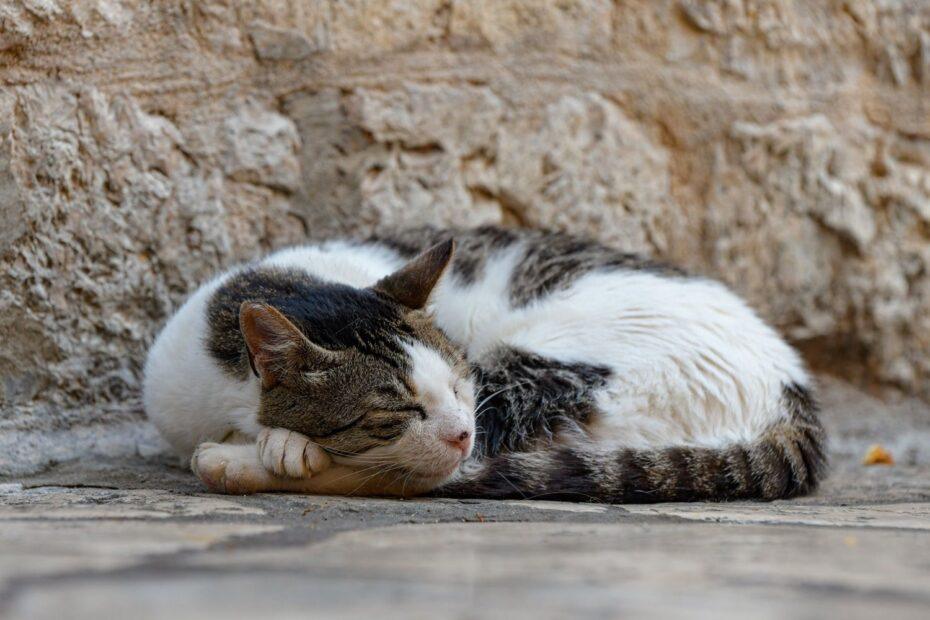
The way a cat sleeps can also offer clues. A cat curled up in a tight ball, often with its tail wrapped around its body, is conserving heat and protecting its vital organs, indicating a desire for security and warmth. Sleeping stretched out, perhaps on its back with its belly exposed, signifies a high level of trust and comfort in its surroundings. This vulnerable position is usually adopted when a cat feels completely safe. If your cat is sleeping in unusual places or seems to be sleeping much more than usual, it could be worth considering potential environmental stressors or consulting with a veterinarian to rule out any underlying health concerns. Understanding these nuances helps in appreciating the complex world of feline rest.
Related reading
- Why Do Cats Purr? Exploring the Mysteries Behind This Soothing Sound
- The Fascinating World of Cat Senses: Sight, Sound, Smell, and Touch