
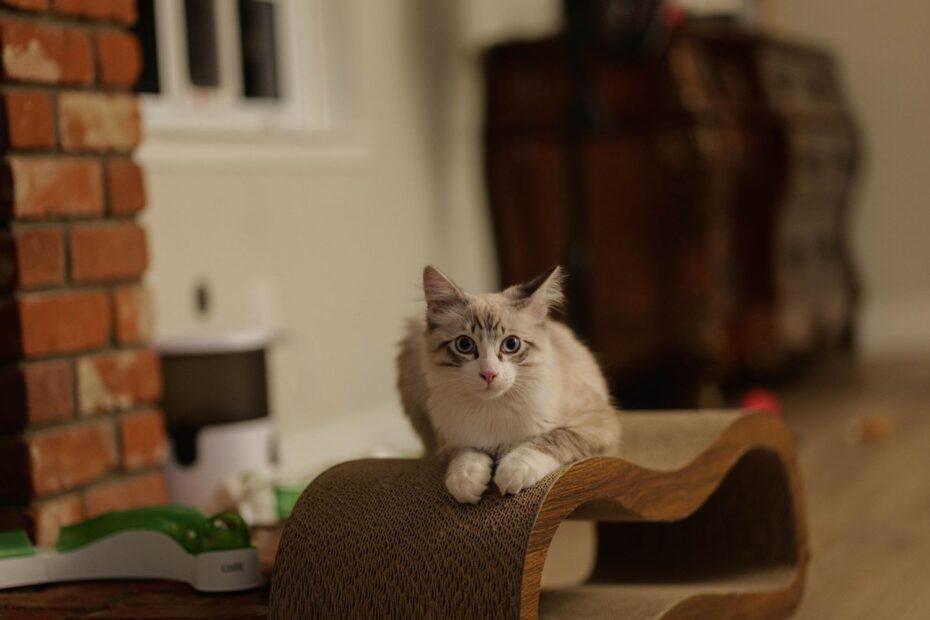
Understanding Why Cats Scratch
Scratching is a fundamental and instinctive behavior for cats, serving multiple crucial purposes beyond mere destruction. It allows them to mark their territory through scent glands in their paws and visual marks, communicate their presence, and maintain the health of their claws by shedding the outer husks. Furthermore, stretching their bodies and leg muscles during a good scratch is a vital part of their physical well-being. Providing appropriate outlets for this natural urge is essential for a harmonious home environment and helps redirect this behavior away from your prized furniture.
Key Factors in Choosing Cat Scratching Posts
When selecting cat scratching posts, several factors contribute to their effectiveness and your cat's preference. The material is paramount; cats have distinct preferences, with sisal rope being a highly favored option due to its texture, durability, and satisfying resistance. Cardboard, carpet remnants, and even wood can also appeal to some cats. The post's stability is non-negotiable; a wobbly post will deter a cat from using it, potentially leading them back to furniture. Look for posts with a wide, heavy base or those that can be securely anchored.
Consider the height and orientation. Cats often enjoy stretching upwards while scratching, so a tall post that allows for a full body stretch is ideal. Vertical posts are common, but horizontal or inclined scratchers can also cater to different feline preferences and provide variety. The design should be sturdy enough to withstand vigorous scratching sessions without tipping over. Think about the surface area available for scratching; a larger surface area can accommodate your cat's stretching and scratching needs more effectively.
Types of Cat Scratching Furniture
The market offers a diverse range of cat scratching posts and related products, each designed to appeal to different feline needs and owner aesthetics. Standard vertical posts, often covered in sisal rope, are a popular choice, usually featuring a stable base. Cat trees and condos incorporate scratching surfaces, often sisal-wrapped posts, alongside elevated platforms, perches, and hideaways, offering a multi-functional piece of furniture that satisfies climbing, resting, and scratching instincts. These can be excellent for multi-cat households or single cats who enjoy vertical space.
Corrugated cardboard scratchers come in various shapes, including flat pads, inclined ramps, and even enclosed boxes. They are lightweight, often inexpensive, and easily replaceable, making them a good option for introducing scratching surfaces or for cats who prefer a flatter, more yielding texture. Some cats are drawn to natural materials like wood or carpet remnants. When choosing, observe your cat's current scratching habits. Do they prefer to scratch vertically on corners, or do they stretch out horizontally on flat surfaces? This observation can guide you toward the most suitable type of scratching furniture.
Placement and Encouragement
The location of your cat scratching posts is as important as the post itself. Cats often scratch to mark territory, so place posts in prominent areas where your cat spends time and near areas they may already be scratching, such as near doorways, windows, or their favorite resting spots. Avoid placing them in isolated or hidden corners. If your cat is accustomed to scratching furniture, place a new scratching post directly next to the targeted furniture item. Once they begin using the post, you can gradually move it to a more desirable location.
Encouraging your cat to use the scratching post involves positive reinforcement. You can gently rub catnip on the post or dangle a favorite toy near it to attract their attention. When you see your cat using the post, offer praise or a small treat. Never punish your cat for scratching furniture; this can create fear and anxiety, making the problem worse. Instead, focus on making the scratching post more appealing than your furniture. Regular grooming, including nail trimming, can also help reduce the damage caused by scratching, but it does not eliminate the need for a scratching post.
Related reading
- Understanding Feline Instincts: Why Your Cat Behaves the Way It Does
- How to Socialize Kittens Effectively for Well-Adjusted Adult Cats
- Training Your Cat to Accept Nail Trims for Easier Grooming Sessions