
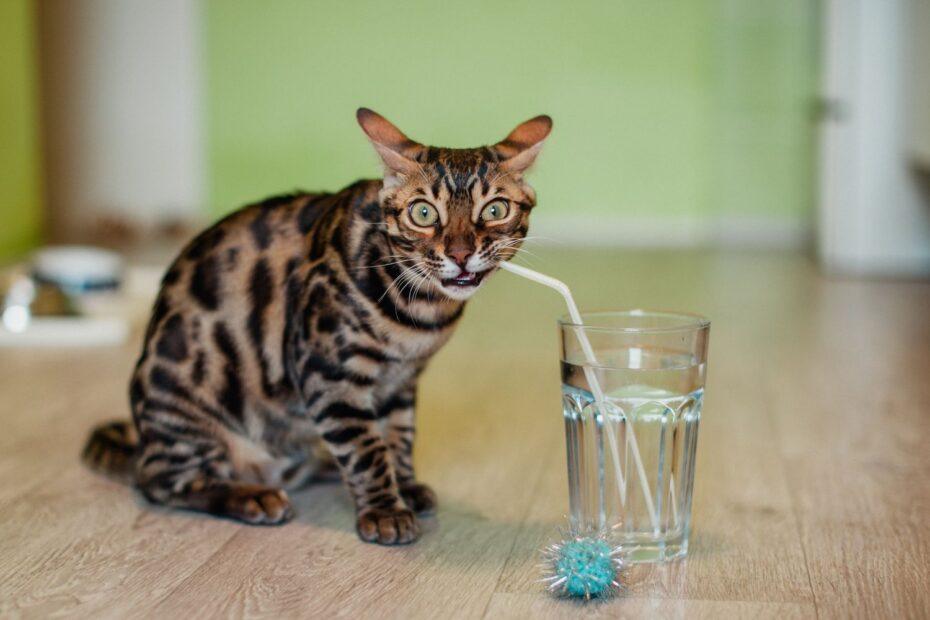
The Crucial Importance of Water for Feline Well-being
Water is an indispensable nutrient for all living beings, and cats are no exception. It plays a critical role in numerous bodily functions, including regulating body temperature, lubricating joints, aiding digestion, and transporting nutrients. For cats, maintaining proper hydration is so fundamental that even mild dehydration can lead to significant health issues. For instance, the kidneys rely heavily on sufficient water to filter waste products from the blood and produce urine. Without enough fluid, these organs work harder, increasing the risk of urinary tract infections, bladder stones, and chronic kidney disease over time.
While the exact amount of water a cat needs can vary based on diet, activity level, and environmental conditions, ensuring consistent access to fresh water is paramount. Some sources suggest a general guideline of eight servings of eight fluid ounces (approximately 1.8 liters) daily, though scientific evidence specifically supporting this precise recommendation for all cats is limited. Cats are naturally adapted to obtain a significant portion of their moisture from their food, a trait inherited from their desert-dwelling ancestors. This means that cats fed primarily dry kibble may require more supplemental drinking water than those on a wet food diet.
Recognizing Signs of Dehydration and Understanding Causes
Identifying early signs of dehydration in cats is key to preventing more serious health complications. Subtle indicators can include a decrease in appetite, lethargy, or a duller coat. As dehydration progresses, you might observe a loss of skin elasticity (gently pinch the skin on the back of the neck; it should snap back quickly) or dry gums. A cat that is not drinking enough may also produce less urine, leading to concentrated waste products in the bladder. Understanding why a cat might be under-hydrated involves considering several factors.
Environmental factors such as heat can increase a cat's fluid needs. Changes in their routine or stress can also affect drinking habits, as cats often prefer quiet, secure locations for their water sources. The type of food they eat is a major contributor; dry kibble contains very little moisture, whereas wet food can provide up to 70-80% water. Furthermore, some cats are simply picky about their water's freshness, temperature, or even the type of bowl it's served in. Dental issues or nausea can also make drinking uncomfortable or unappealing.
Practical Strategies to Encourage Your Cat to Drink More
Fortunately, there are numerous practical and effective ways to encourage your feline companion to increase their water intake. One of the most impactful methods is to incorporate more wet food into their diet. The high moisture content in canned or pouched cat food can significantly contribute to their daily hydration. If your cat is accustomed to dry food, you can try rehydrating it by adding a small amount of warm water or unsalted chicken broth to their meal.
Consider the water source itself. Many cats are drawn to moving water, making a pet drinking fountain an excellent investment. These fountains filter the water and keep it circulating, mimicking natural sources and often enticing more frequent drinking. Experiment with different types of bowls; some cats prefer ceramic or stainless steel over plastic, as plastic can sometimes impart an undesirable taste or odor. Ensure the bowls are kept clean and filled with fresh water daily. Placement is also crucial; cats often prefer their water bowls to be away from their food bowls and litter boxes, in quiet, easily accessible locations where they feel safe. Offering a variety of water sources in different areas of your home can also encourage drinking throughout the day.
Related reading
- Encouraging Your Cat to Drink More Water for Optimal Health
- The Art of Cat Grooming: Brushing Techniques for Different Fur Types
- Essential First-Aid Tips for Cat Owners to Handle Minor Emergencies