
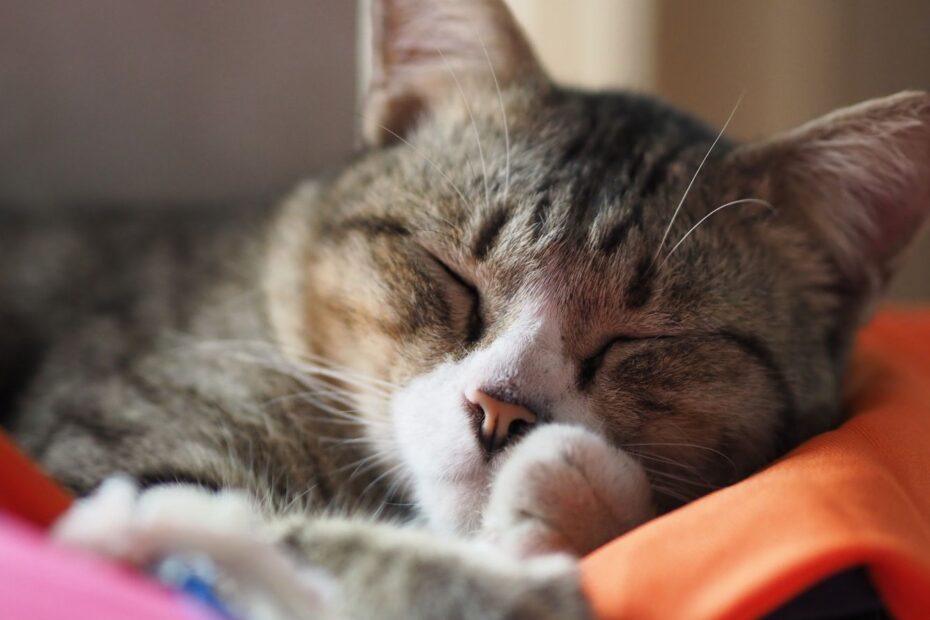
Embracing the Wisdom of a Senior Feline Companion
Adopting a cat is a rewarding experience, and choosing a senior feline, typically defined as seven years or older, brings its own distinct advantages and considerations. These mature cats often possess a calm demeanor and established personalities, making them a wonderful choice for many households. Unlike kittens who require constant supervision and training, senior cats are usually past the boisterous, destructive phases and are often already litter-box trained. They tend to be less demanding of constant attention, seeking out quiet companionship and comfortable napping spots. Providing a loving home for a senior cat means understanding their unique needs and creating an environment where they can thrive in their golden years.
Creating a Conducive Environment for a Mature Cat
When you bring a senior cat home, the primary goal is to ensure their comfort and security. Their physical needs may differ from those of younger cats. For instance, older cats might benefit from easily accessible resources. This includes food and water bowls placed on a single level, especially if they have arthritis or mobility issues, to minimize climbing. Litter boxes should also be easily accessible, perhaps with lower sides to accommodate stiffer joints. Consider placing multiple litter boxes on different floors if your home has stairs. Senior cats often appreciate a quieter, more predictable routine. Sudden loud noises or chaotic environments can be stressful for them. Designate a calm, comfortable space where they can retreat and feel safe, equipped with soft bedding and their essential supplies. This sanctuary allows them to adjust at their own pace without feeling overwhelmed by new surroundings or household activity.
Understanding and Addressing Health and Behavioral Nuances
Senior cats may have pre-existing health conditions that require special attention. A thorough veterinary check-up shortly after adoption is crucial to assess their overall health, identify any age-related issues like dental disease, kidney problems, or arthritis, and establish a baseline for ongoing care. Be observant of subtle changes in appetite, thirst, grooming habits, or activity levels, as these can be early indicators of health concerns. Dietary needs may also change with age; specialized senior cat foods are formulated to provide appropriate nutrition, often with adjusted levels of protein, fat, and essential nutrients. Behavioral adjustments are also common. Some senior cats may be more sensitive to changes in their environment or routine, while others might become more vocal or seek more affection. Patience and understanding are key. Providing gentle interaction, consistent routines, and appropriate veterinary care will help manage any age-related health or behavioral nuances, ensuring a high quality of life.
The Rewarding Bond with a Senior Cat
The bond formed with a senior cat is often deeply rewarding. These cats have a lifetime of experience and can offer a profound sense of calm and companionship. They are often grateful for a second chance at a loving home, and their appreciation can manifest in gentle purrs, quiet presence, and unwavering loyalty. While they may not have the boundless energy of a kitten, they offer a different, perhaps richer, form of connection. Their established personalities mean you know what you are getting, and their quieter nature can be a perfect fit for individuals or families seeking a less demanding pet. Opening your home to a senior cat is an act of compassion that enriches both the cat's life and yours, providing comfort, joy, and a unique, enduring friendship in their twilight years.
Related reading
- How to Cat-Proof Your Home for Maximum Safety and Peace of Mind
- Cat Dental Care: Simple Steps for Maintaining Oral Hygiene at Home
- Dealing with Cat Hiding Behavior: When to Be Concerned and What to Do